
Ease of commuting is one of the best blessings one can ever have. It bridges gap between your near and dear ones, even when you’re travelling for work. Guess how?
Living thousands of kilometres away from home, I often think– how convenient it would have been if India also had a bullet train? I would have had my lunch at home after having breakfast in the hostel’s mess. As of now, my breakfast, lunch, and dinner hours are usually spent on the train whenever I travel home. Several corridors of bullet trains are in the pipeline; however, I am unsure when I will be on one. Such projects have also been included in the 2026 budget.
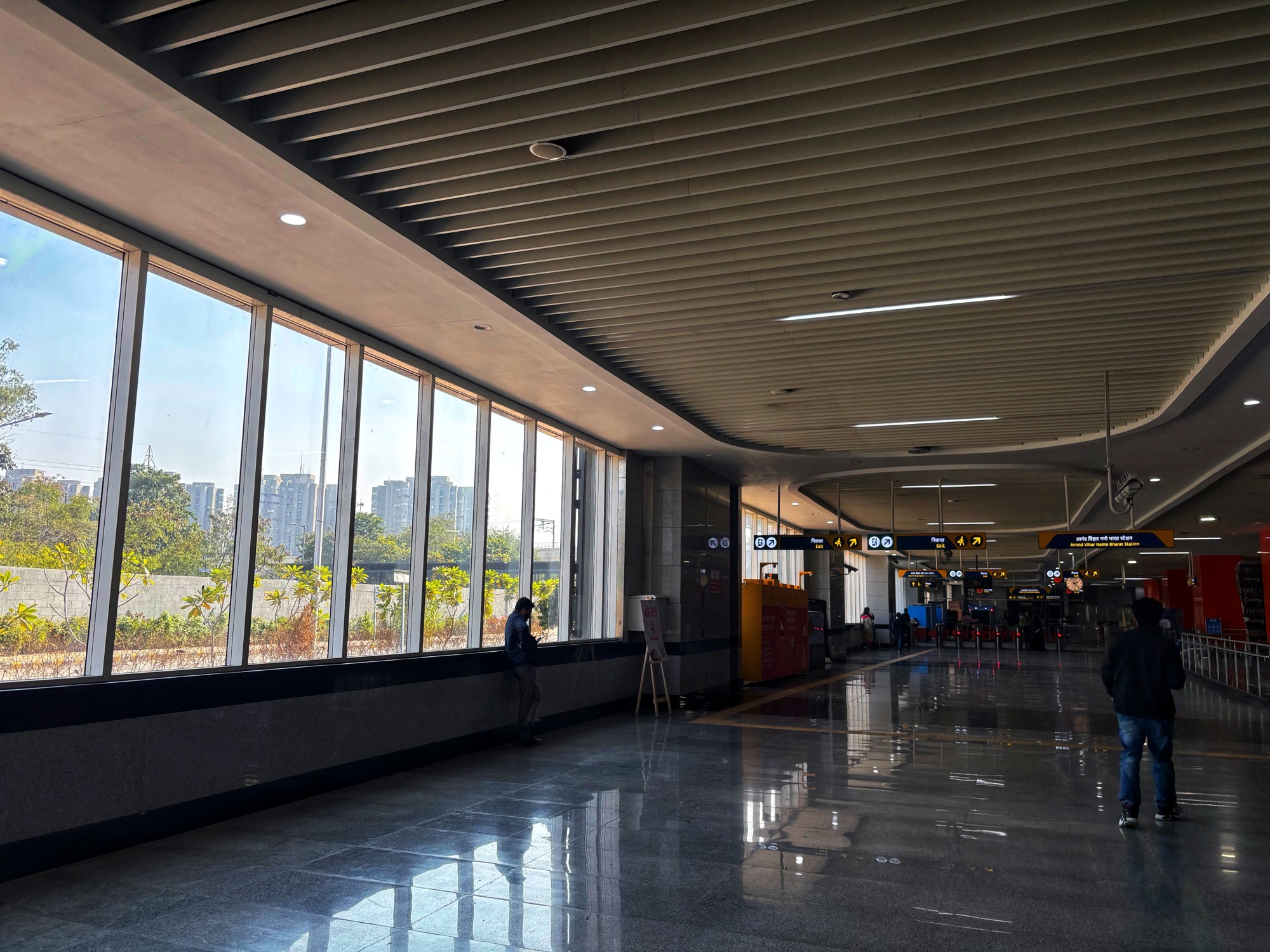
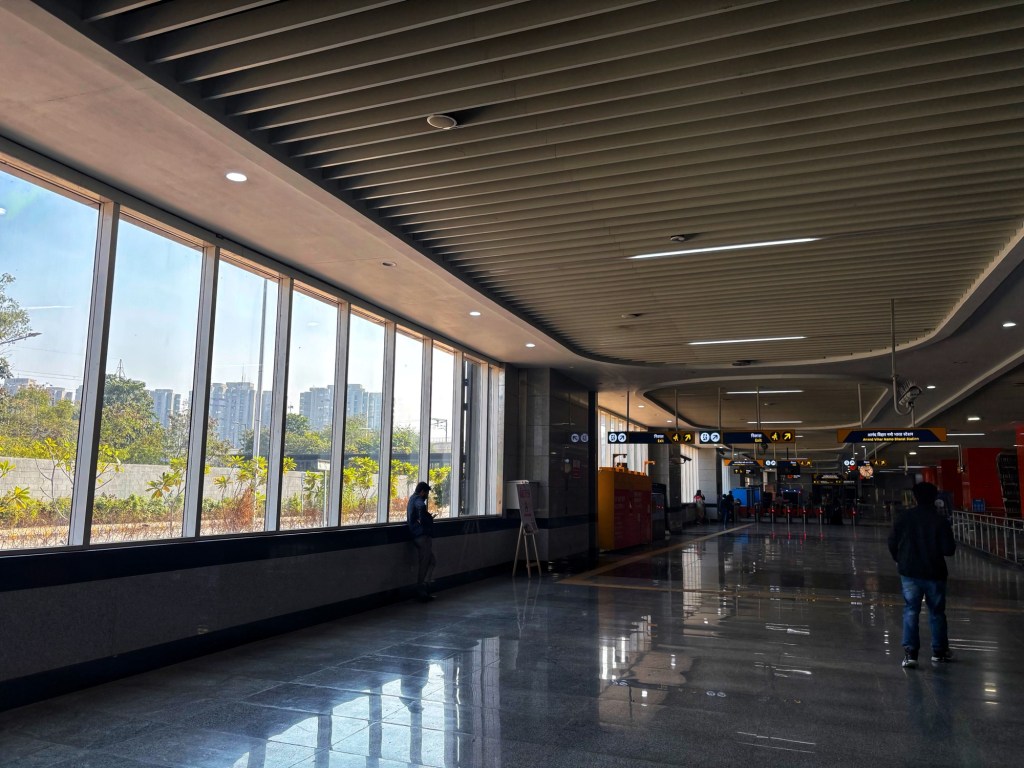
Edit 1: I recently travelled from Modipuram to Anand Vihar (at a cost of Rs. 180/-) in about 55 minutes and found that all major stations are operational now. More stations are under construction in Meerut, which is likely to push up the timing. The last station in Delhi is Sarai Kale Khan, whereas the major station is Anand Vihar RRTS, which connects the Blue and Violet lines through the underpass.
Edit 2: You can board the RRTS at Ghaziabad from the Saheed Sthal metro station, which is connected by a foot overbridge.
Edit 3: People travelling from Haridwar or Roorkee can board the RRTS at Modipuram. Buses heading toward Delhi/Meerut usually take this route and drop you at 185/- in about 2.5 hours.
Let’s halt the future plan for a while and delve into the present. The Delhi-Meerut Regional Rapid Transit System, an 82 km stretch from Delhi (New Ashok Nagar, Sarai Kale Khan, New Ashok Nagar) to Modipuram, is expected to be fully operational by the end of February. Also, I feel that the people of Meerut are blessed. The gap between Delhi and Meerut has been reduced to less than an hour, whereas earlier, an hour or so was wasted in traffic. On the day I am writing this post, i.e., 22nd February 2026, the rest of the corridor is expected to be inaugurated by PM Modi and CM Yogi, after an 8-month delay. Earlier, it was partly operational, i.e. from Meerut South to those stations in Delhi except Sarai Kale Khan.
Unsure of wherebouts and the functioning of RRTS, I was planning to travel via it, which only got possible on the 4th January 2026. Till then, it was partly operational. Let’s look at the map to better understand the route.
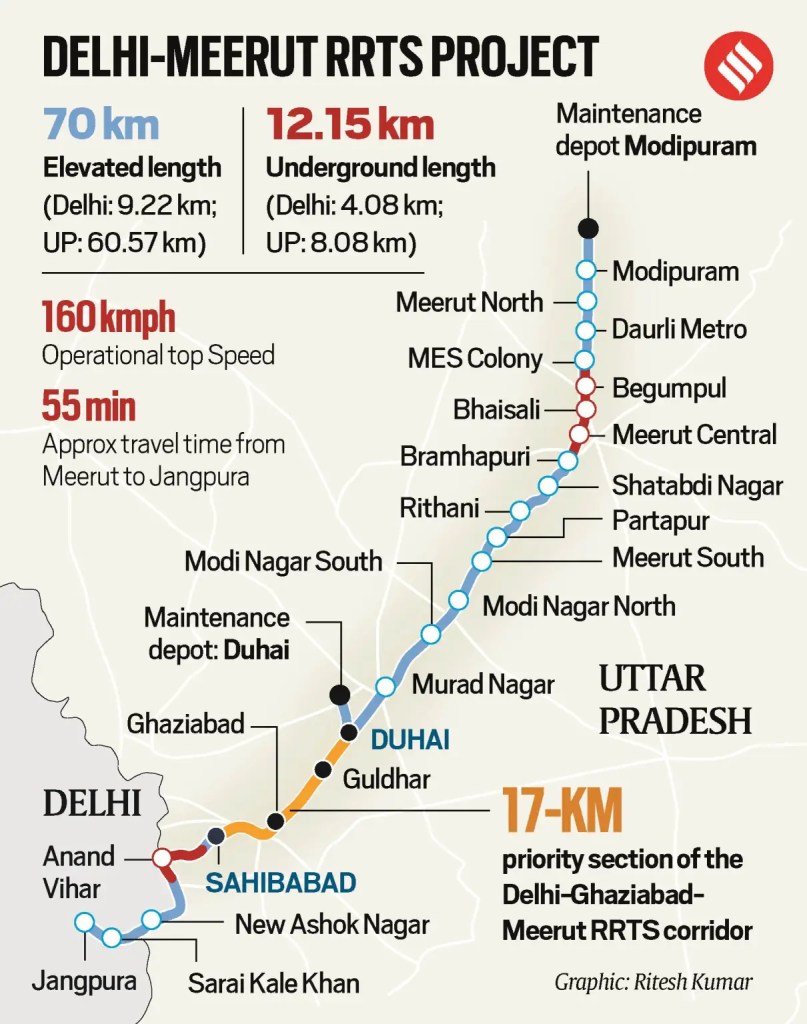
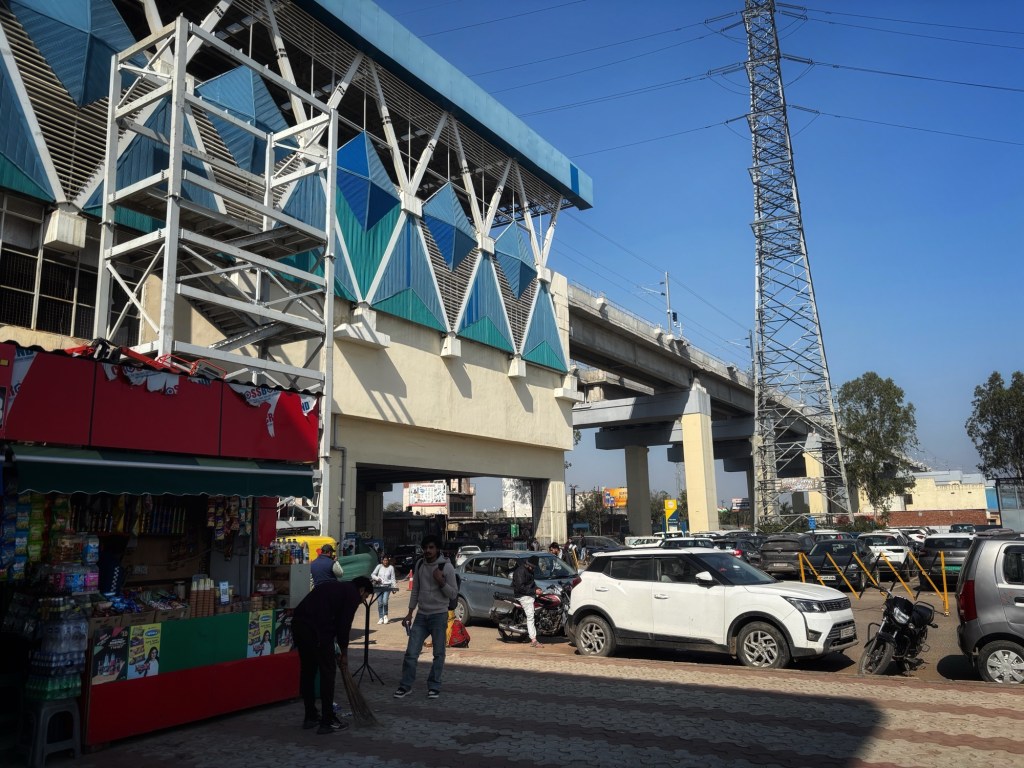
So, I took a bus from Roorkee to Meerut, expecting that it would drop me somewhere near any of the stations of the RRTS corridor. The bus passed through several metro stations; the first was Modipuram, located on the highway to Delhi. However, they were closed. The metro station near the Meerut bus stand is Begampul, but that wasn’t operational. So, I had to take an auto to board the metro at Merrut South, which was 11 km away from the bus stand. Luckily, I got one instantly after deboarding the bus, and it took some 30 minutes, including traffic, to drop me there.
The station was well-managed, with a couple of food outlets, a counter, and ticket vending machines. However, I booked the ticket through the Namo Bharat App, which is in iOS too! The app contains all the details you need, including the metro map and ticket prices. You can even book a Delhi Metro ticket with it. The station and the Namo Bharat train (I boarded around 1:30 PM) were moderately populated. I disembarked at Anand Vihar RRTS station, which connects the Anand Vihar Blue and Pink lines through a walkable subway. It took me 35 minutes and Rs 130/- to get there. RRTS metro’s frequency is around 10-15 minutes, but I got the one instantly.
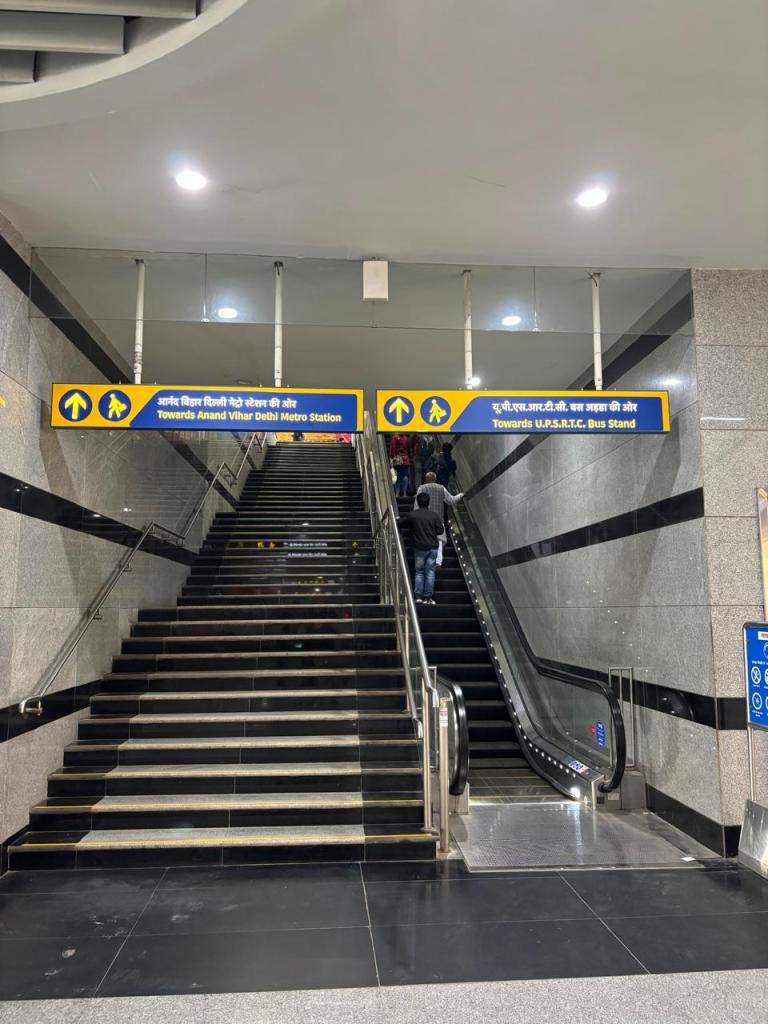
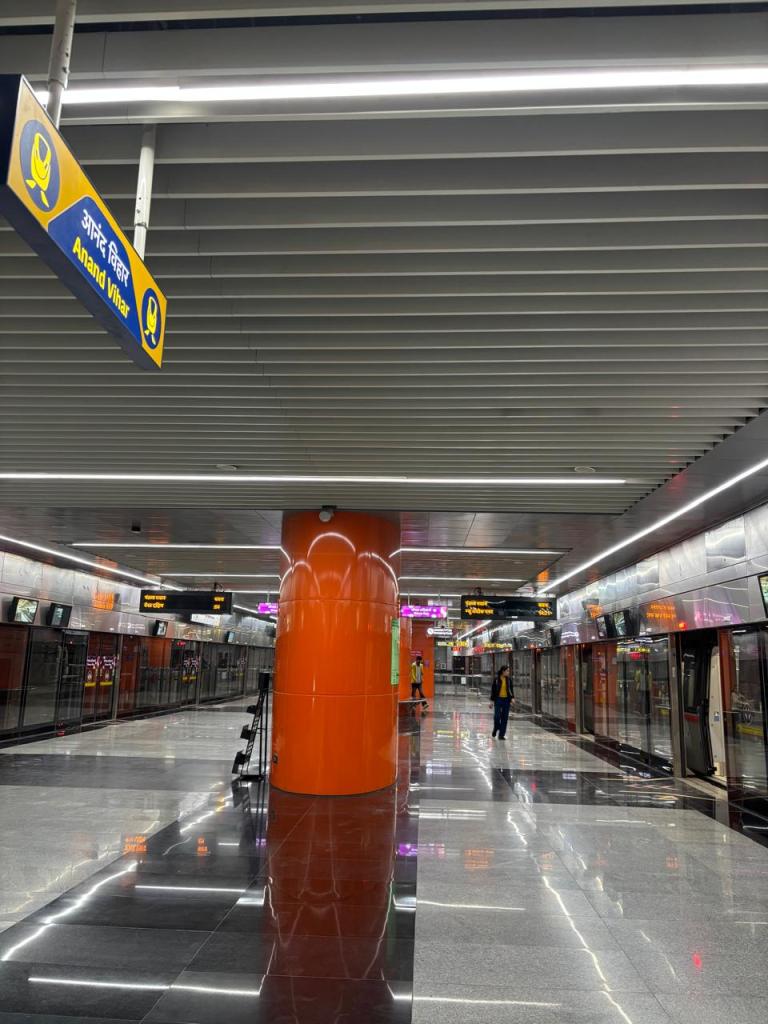
Now, there are two kinds of tickets: the other is premium, which charges an additional 20/- and includes lounge access if you wanna wait longer. I didn’t see any coach dedicated to premium passengers. The ride was one of the smoothest and most scenic, with no interruptions. Moreover, I was exempted of Delhi’s traffic. So, if you’re set to travel to Delhi or Metro, you can board the RRTs from any of the stations below. However, I advise you to check the Namo Bharat App or its website once before planning your travel. All the stations are supposed to start from today, i.e., 22nd February 2026, but how many of them are really operational? Please check the stations while booking the tickets. Also, consider factors such as the ticket fare from your destination, the time required, and the ease of travel before planning your trip so you don’t end up wasting your precious time, money, and comfort.
Let me know if you have more queries.
©Shashank
Disclaimer: All content and images on this blog are protected by copyright and are the intellectual property of the blog owner, unless otherwise stated. Unauthorised use, reproduction, or distribution of any text, images, or other materials without permission is strictly prohibited. If you wish to share or reference any part of this blog, provide proper credit and include a link back to the original source.

