Crossfade- Episode 7: Theatre Games-II

I welcome you to the second episode of Theatre Games. In the previous episode, I discussed five theatre games: Zip, Zap Zop, Name and Gesture, Pass the Clap, Passing the imaginary ball, and Shake Down. I advise you to become familiar with it if you haven’t visited it yet; click here. I’ll continue our discussion of the remaining five theatre games in this episode, with special emphasis on how these exercises can help develop children’s listening skills, confidence, and imagination.

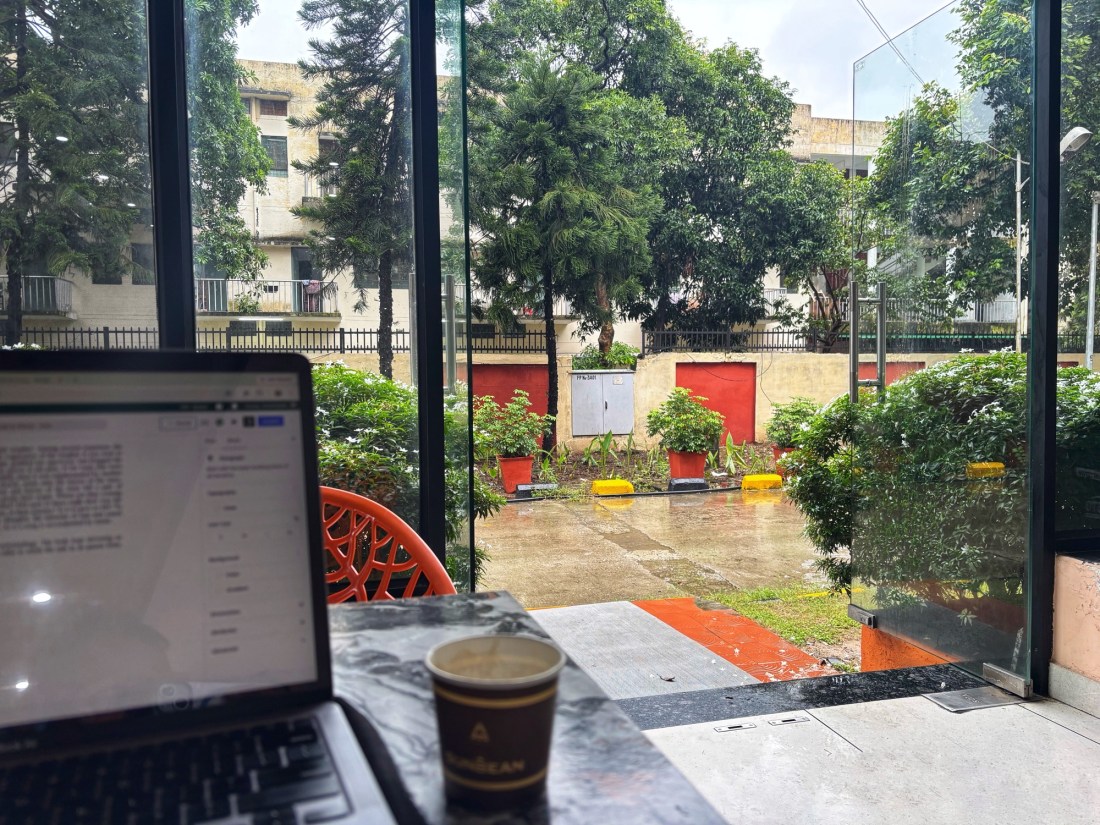
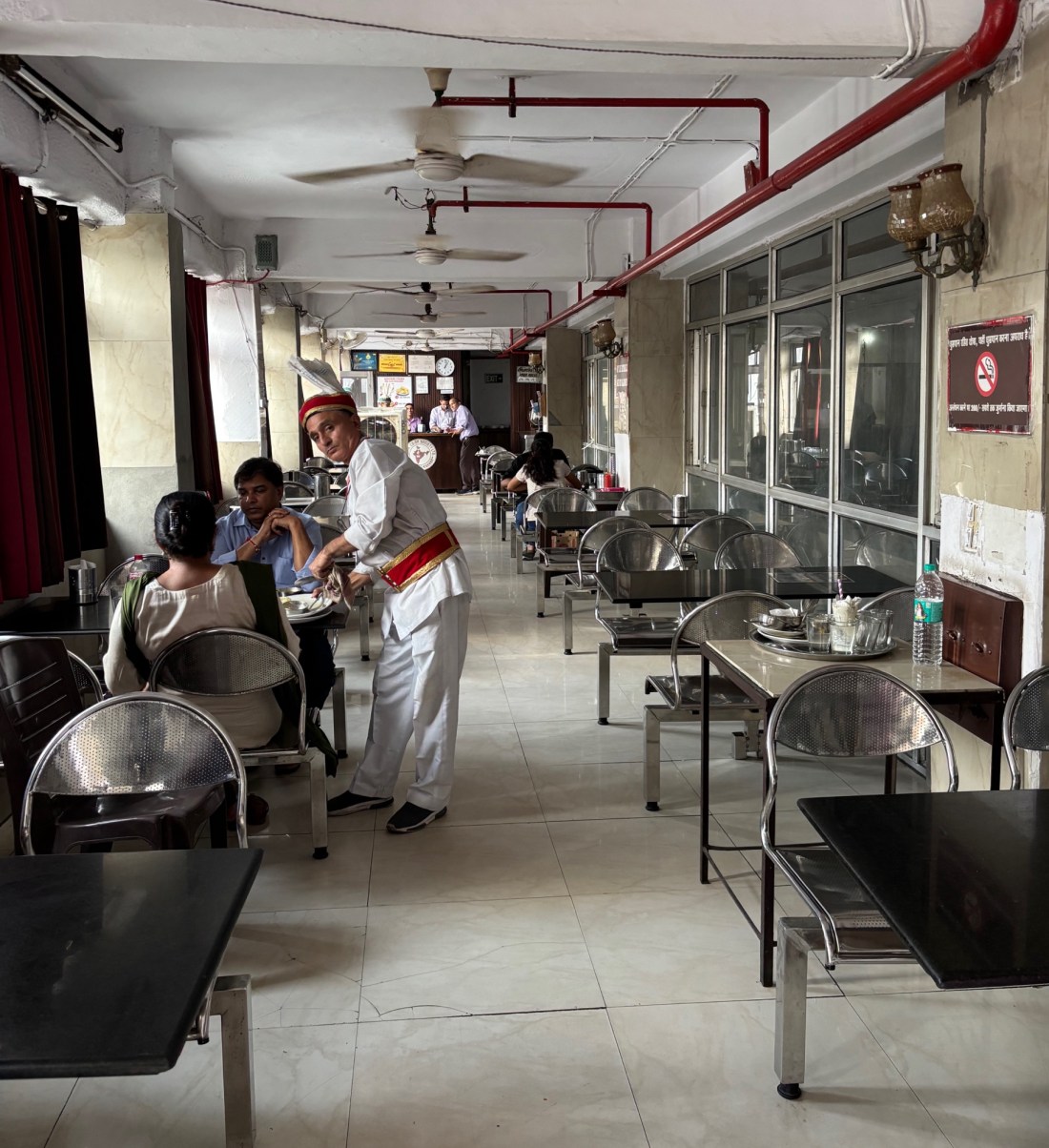
Moments of Delight at the Indian Coffee House at CP in New Delhi

A cup of coffee has witnessed the birth of several scholarly ideas and innovations. After soaking myself in Delhi's scorching heat, I reached Delhi Art Gallery (DAG, Janpath, New Delhi), only to find it closed ahead of BRICS Summit. DAG was in vicinity to the hotels such as Le Méridien and Shangri-La Eros, where the … Continue reading Moments of Delight at the Indian Coffee House at CP in New Delhi →

Performing Puppets or Performing Us: An Evening with Shri Puran Bhat’s Puppets

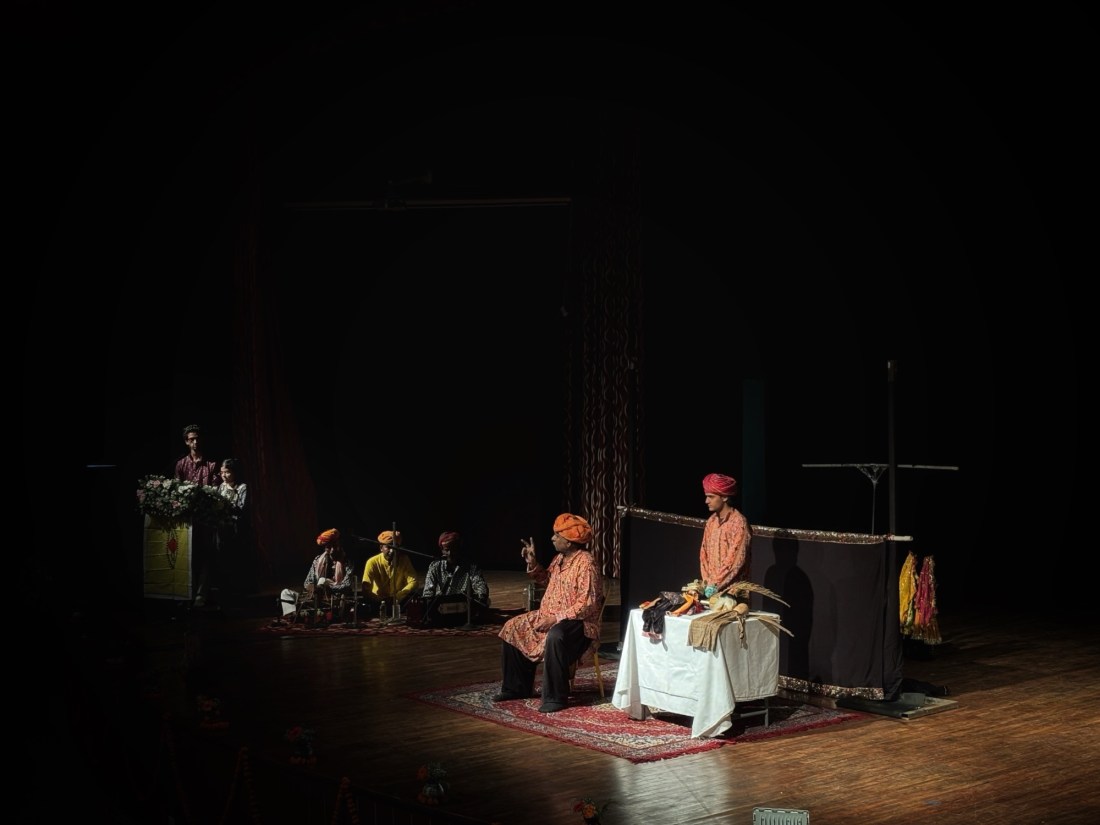
As is customary at SPIC MACAY cultural events, the show began in a conversational style, with Bhat ji asking and answering questions about the history of puppets and how puppetry, as an art, came to be part of tradition. He then elucidated the various kinds of puppets (based on the way they're handled), such as String puppets, Glove puppets, Rod puppets, and Shadow puppets, while demonstrating how they are performed.

Crossfade- Episode 6: Theatre Games- I

In this post, I have explored five basic warm-up exercises for beginners to help you prepare for any performance, both mentally and physically. In the subsequent one, I'll delve deeper. Let's try these exercises one by one. I request that you visualise them or introduce them into your classroom learning.

Performance Review- “Shabdangal” by Graduate Performance Wing of NSD

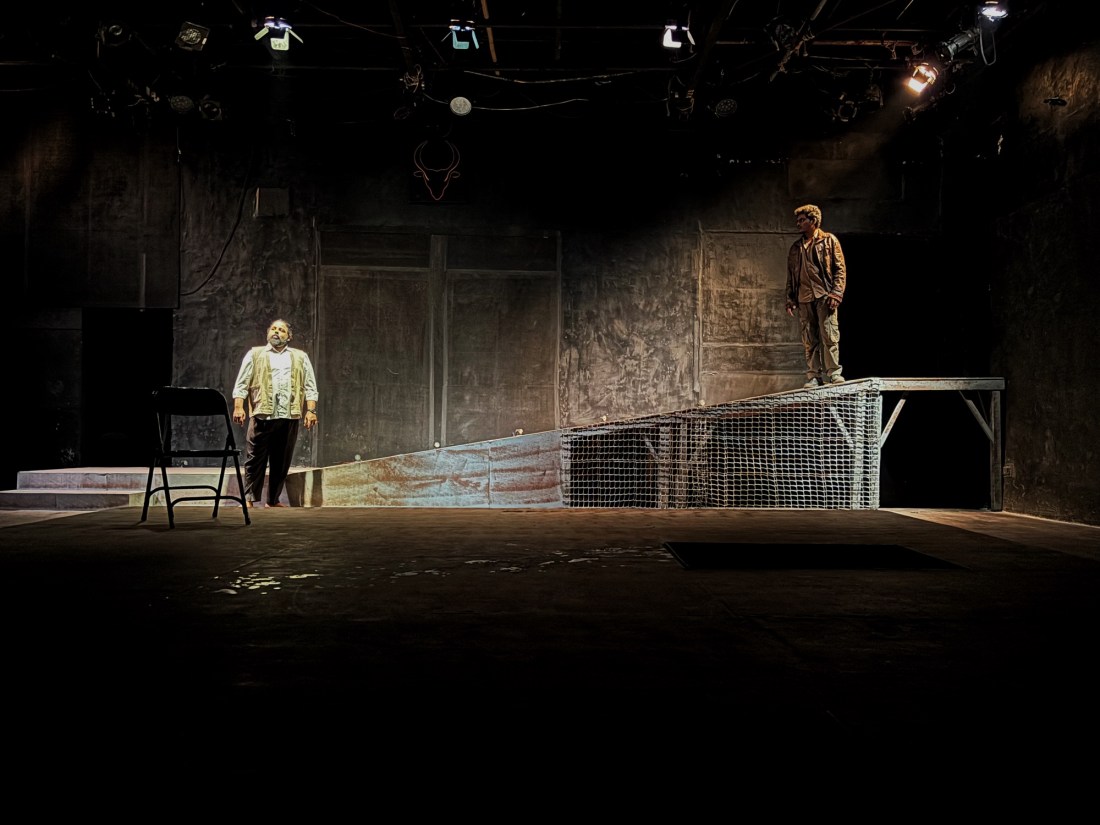
I had the opportunity to watch Shabdangal in the second edition of Bharat Rang Mahaotsav (2026) while returning from a conference. The train to Roorkee was scheduled to start at night, whereas I reached Delhi in the evening. Hence, to make the most of the time, I booked a ticket to Shabdangal. Based on my previous experience watching a play at the Bahumukh auditorium of NSD, I knew it would delight me to the fullest.

McLeodganj: A Story of Longing and Belonging

Have you met anyone who has visited Dharamsala but not McLeodganj? Also, have you found a person who visited McLeodganj without visiting Dharamsala? I am not saying that such people don't exist. I am of the opinion that if you explored only one of them, you might be there on purpose or on a tight schedule. Dharamsala and McLeodganj are often viewed as an intertwined entity when planning a trip.

A Two-Day Itinerary to Dharamsala and McLeodganj

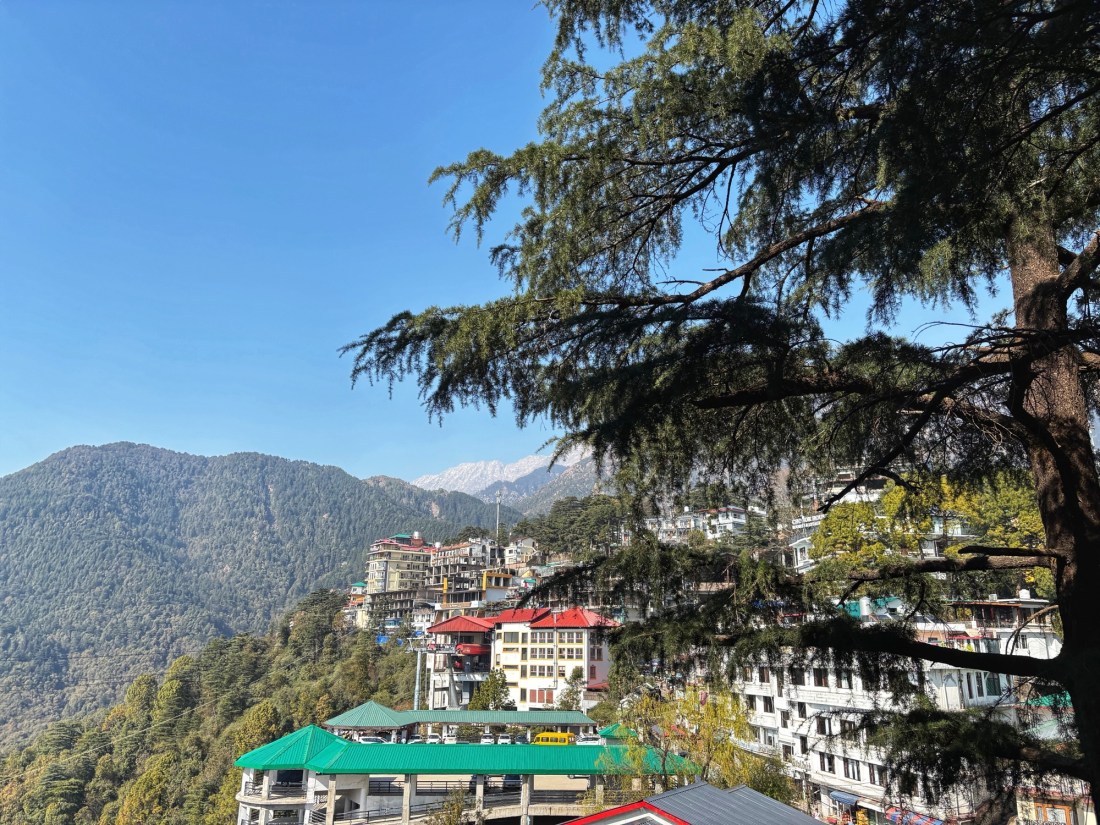
Nestled in the lap of the Dhauladhar ranges, Dharamsala and McLeodganj offer both an escape from the mundane world and the courage to return there again. Buddha and his teaching feel alive there in the truest form possible. Though Dharamsala and McLeodganj are known mainly for the Dalai Lama and Tibetan Buddhism, the towns existed … Continue reading A Two-Day Itinerary to Dharamsala and McLeodganj →

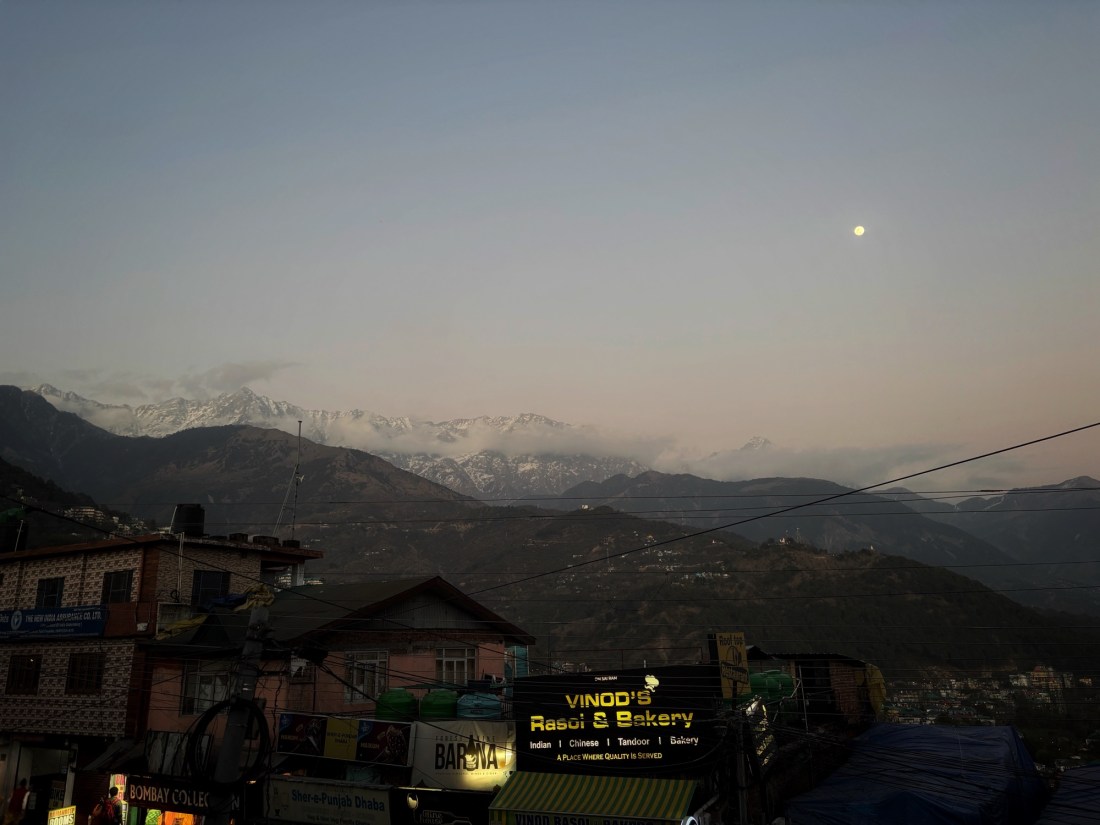
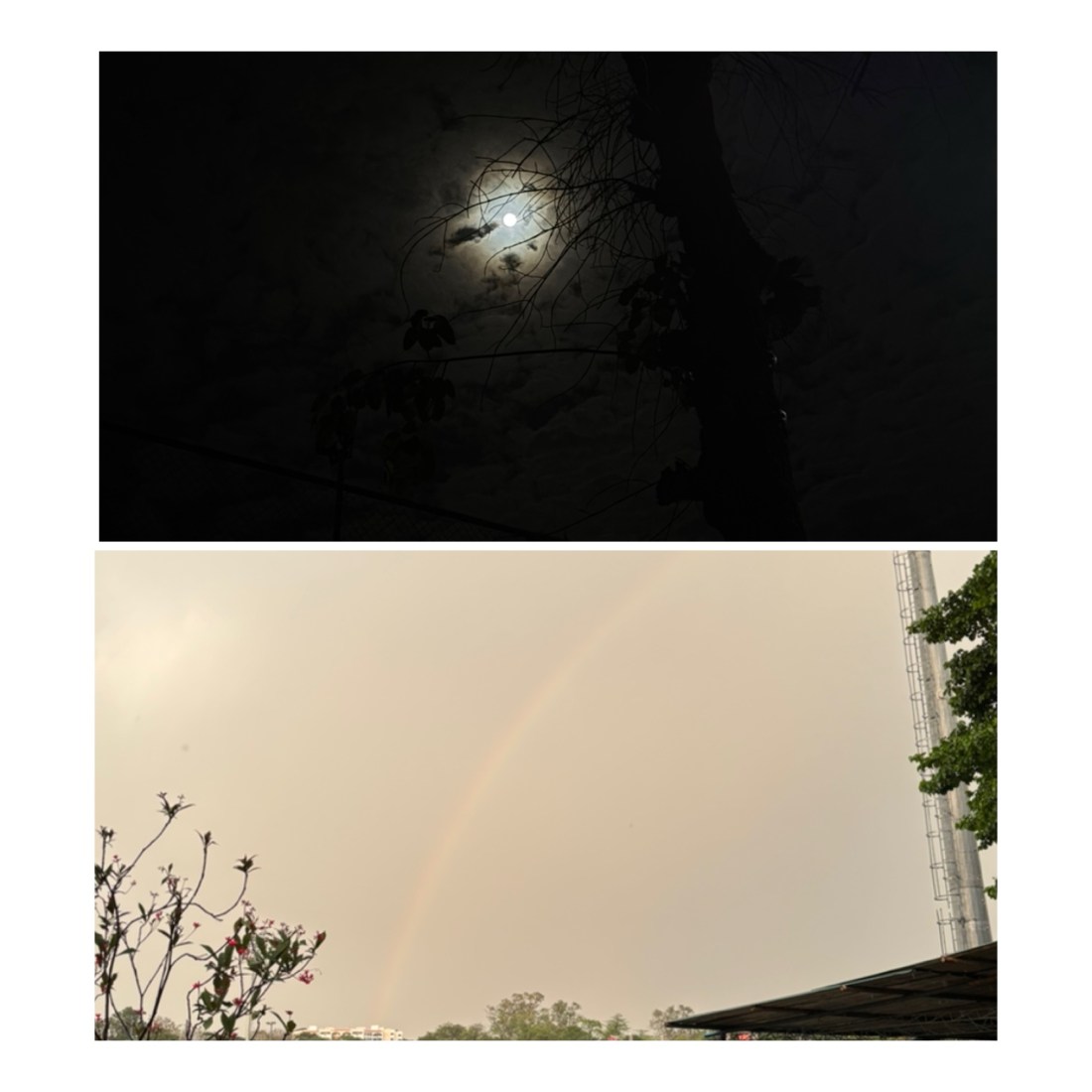
Limerick: Evening and Night

A limerick is a short form of humorous, often nonsensical verse. It consists of exactly five lines following a strict AABBA rhyme scheme, where the first, second, and fifth lines rhyme with each other (three metrical feet), and the third and fourth lines share a different rhyme and rhythm (two metrical feet).

Book Review: Corridor by Sarnath Banerjee

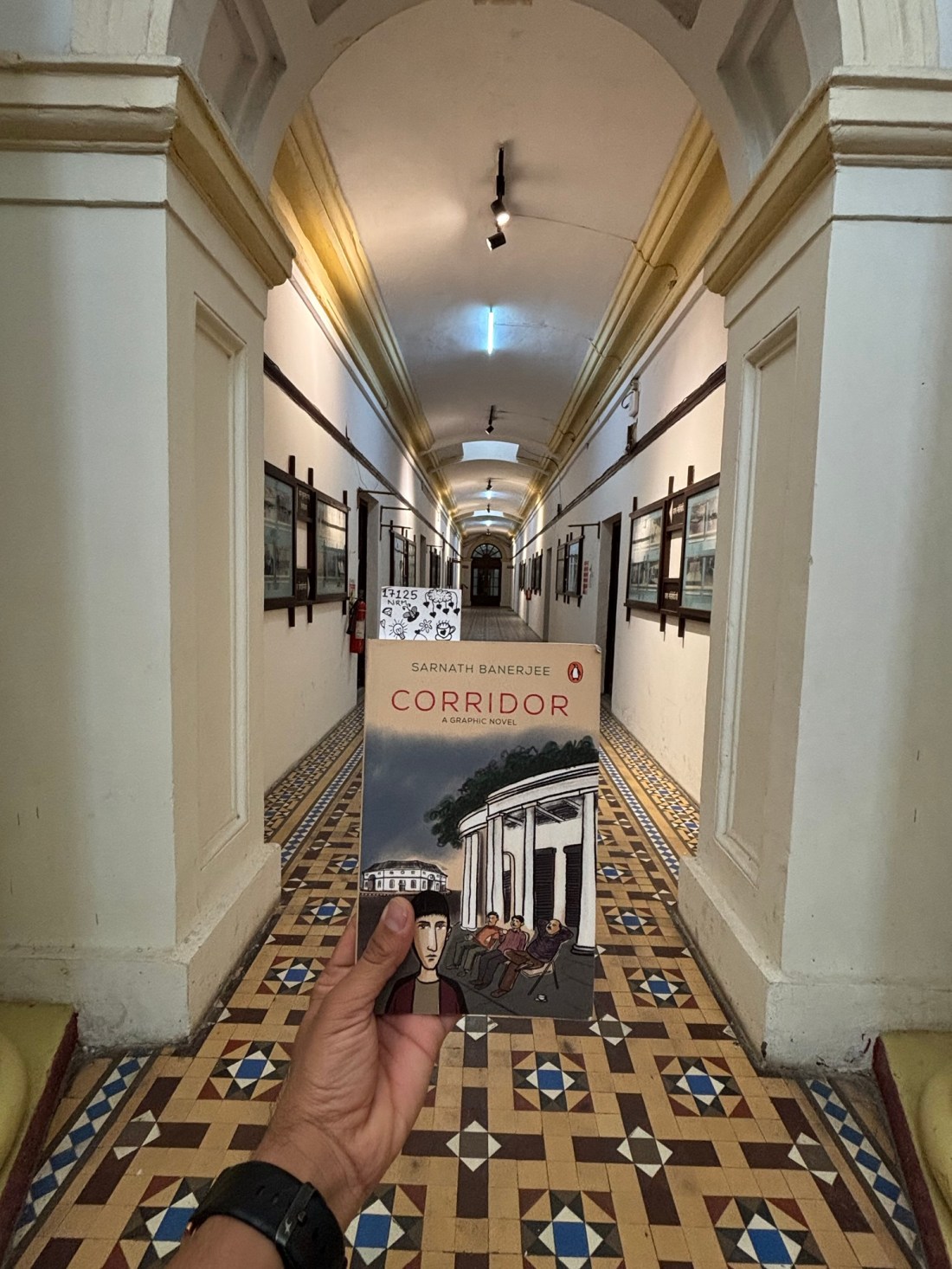
Comic books and graphic novels are a great medium. It's incredibly underused! -Darren Aronofsky Visuals have always appealed to people more than anything. The increasing screen time over social media and OTT platforms is a testimony to it. However, a graphic novel, with illustrations alongside the text, is truly underused and undervalued, as noted by … Continue reading Book Review: Corridor by Sarnath Banerjee →

Crossfade- Episode 4: Anatomy of Theatre

Derived from the Greek word 'theatron,' theatre refers to a place of viewing. To understand the structure of such theatre, consider it a room where the fourth wall is removed, allowing the audience to see what happens inside. A proscenium theatre is divided into two sections: the stage (where the actors perform) and the house (where the audience sits). Let's look at the stage first.