
Acquire skills no one else has. Read books no one else is reading. Think thoughts no one else is thinking. Or, to put it another way, you cannot have all that you want if you remain the person you are. To get more from life, you need to be more in life.
-Robin Sharma
These words, scribbled on page 150 of the book, resonated with me as soon as I read them. I would have never come across this book sooner if one of my friends had not gifted it on my 26th birthday.
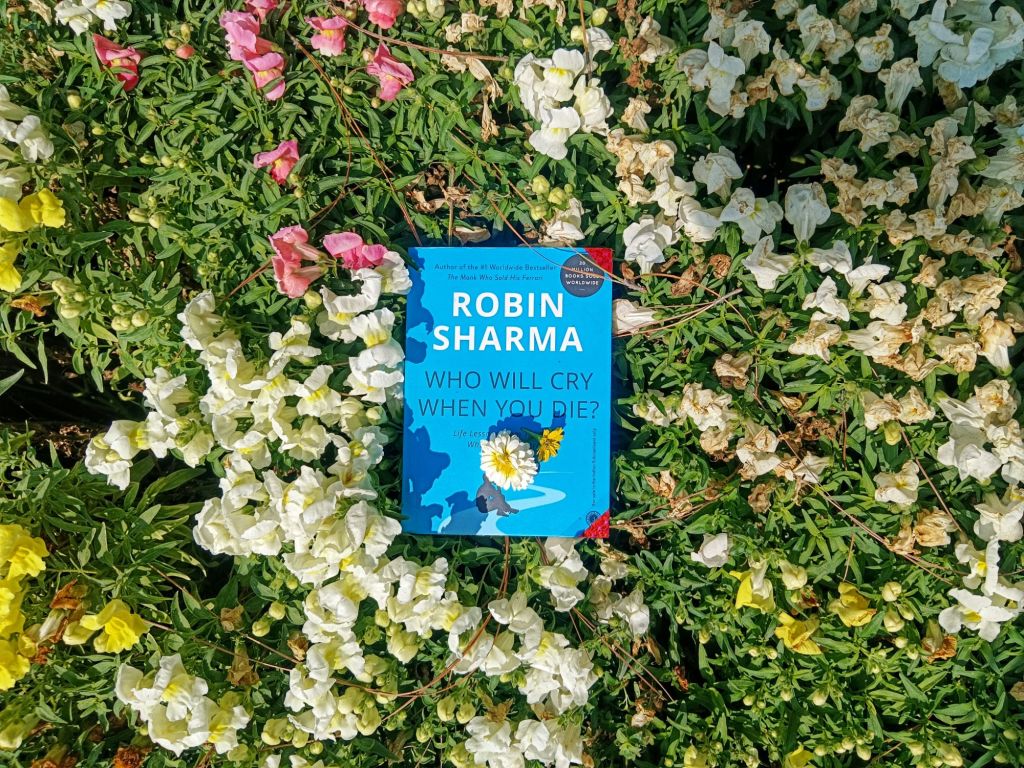
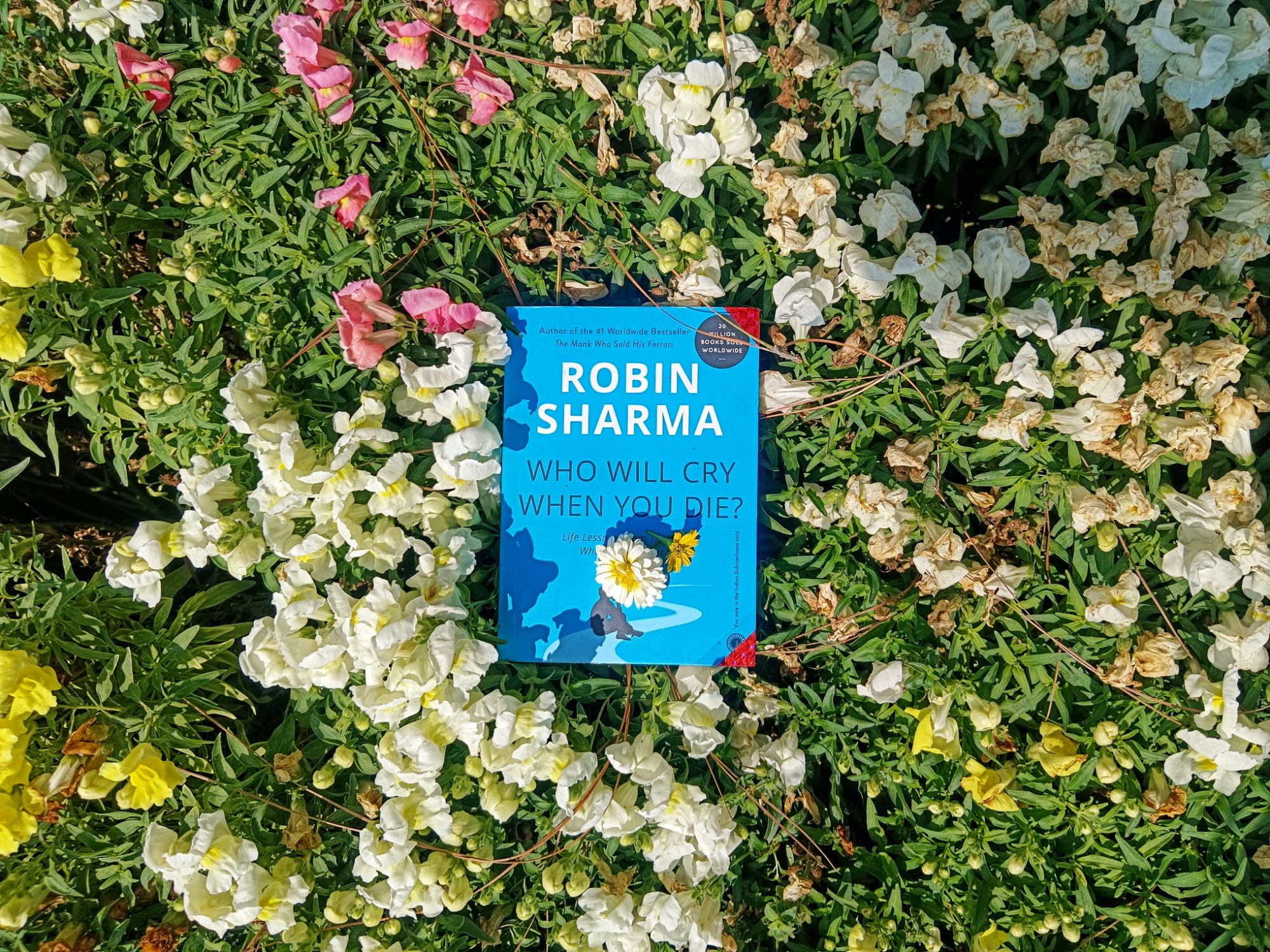
Title: Who Will Cry When You Die
Author: Robin Sharma
Publisher: Jaico Books
Genre: Self-help, Inspirational
Pages: 225
Price: 198/- on amazon
I have come across three books by Sharma till now, read two, and heard about one. The first was Megaliving: 30 Days to a Perfect Life (which is also Sharma’s first), the second is this one and the third, which is on my wishlist, is his famous The Monk Who Sold His Ferrari. It won’t be wrong if I say that “All Self-help books discuss the same topic but in a different way”.
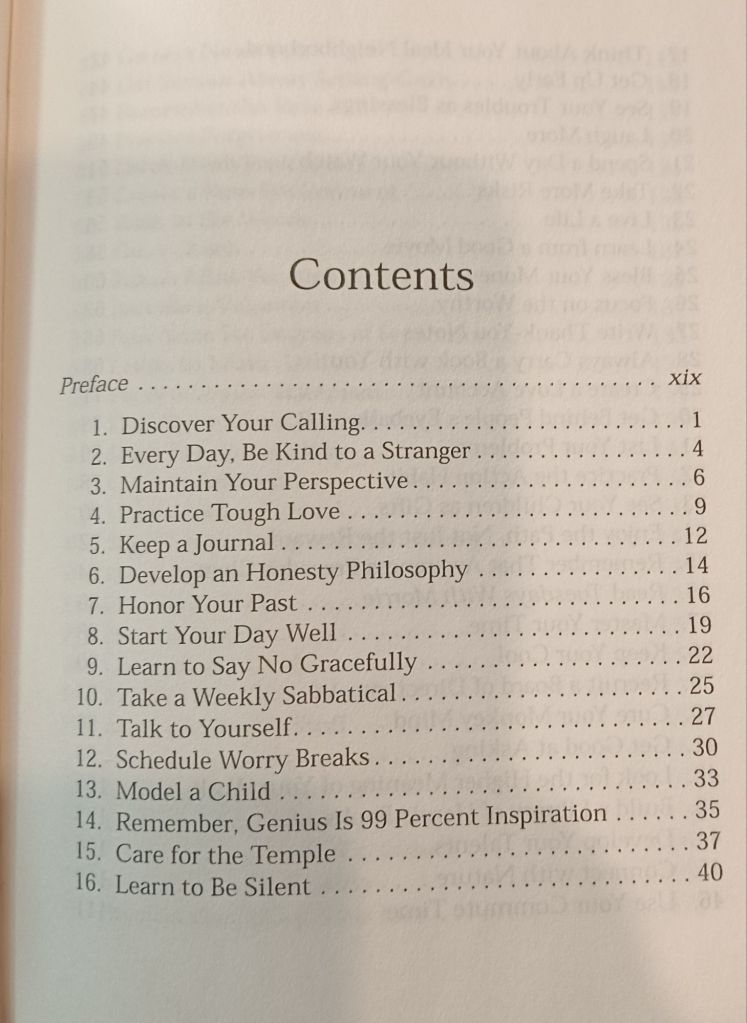
WWCWYD, through its 101 short chapters and a preface, extending to 1.5 to 2 pages, discusses the aspects of living a quality life, moulding it toward perfection, and dealing with the challenges. Intrinsic to every self-help book, this book also collects several quotes by renowned personalities, their biographies, popular proverbs, real-life examples and stories to support the title of the particular chapter and address a phase of life. The first few pages of the book list the reviews of Sharma’s books by several newspapers and magazines. The book also lists the books that one should read to cultivate the habit of mindfulness or broaden their thinking. It provides us with some tests, such as ‘Three Gate Test” to improve the quality of our actions or speech. It lists the ways to maximise the quality of sleep. I must say that the book addresses the issues which are necessary for the well-being of the individual.
However, one of the complaints about the self-help books I always have, which I also discussed in my review of the book Ikigai is their practicality/applicability/credibility. I felt the same with this one, too. Self-help books appear too idealistic these days these days and the plethora of philosophies they preach feels impractical to follow as a whole. I don’t mean to say that they’re completely ideal; rather, they should preach less and be more practical. Moreover, at times, the thoughts laid out by the author appear contradictory. For instance, at one point, Sharma says that one should avoid all the negative news in the newspaper or negative things happening in the surroundings (page 114), whereas at another time, he advises us to keep our ears and eyes open to the realities of life (page 171). Similarly, I feel an ever-growing debate on how one should go on living, i.e. whether to set a goal and live pre-determined or to explore opportunities.
Nonetheless, I feel that the book is trying to grope into our minds, which are certainly not alike. Everyone has a different lifestyle, way of thinking and acting. The best use of this book is to utilise it according to the circumstances we’re in. Let the book not take control of your lives. Let you decide how to use it. Hence, let this book be a part of your shelf. And life.
©Shashank
P.S. Thanks, Shree, for gifting this insightful book.

