Crossfade- Episode 6: Theatre Games- I

In this post, I have explored five basic warm-up exercises for beginners to help you prepare for any performance, both mentally and physically. In the subsequent one, I'll delve deeper. Let's try these exercises one by one. I request that you visualise them or introduce them into your classroom learning.

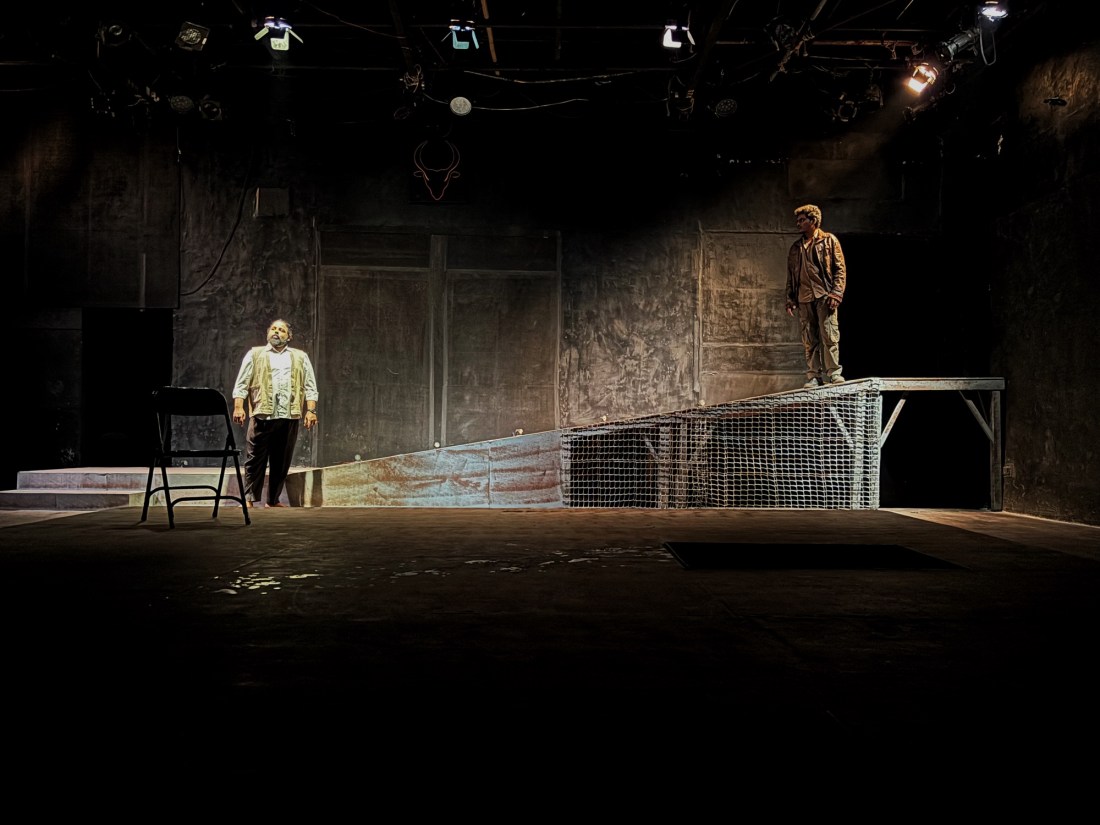
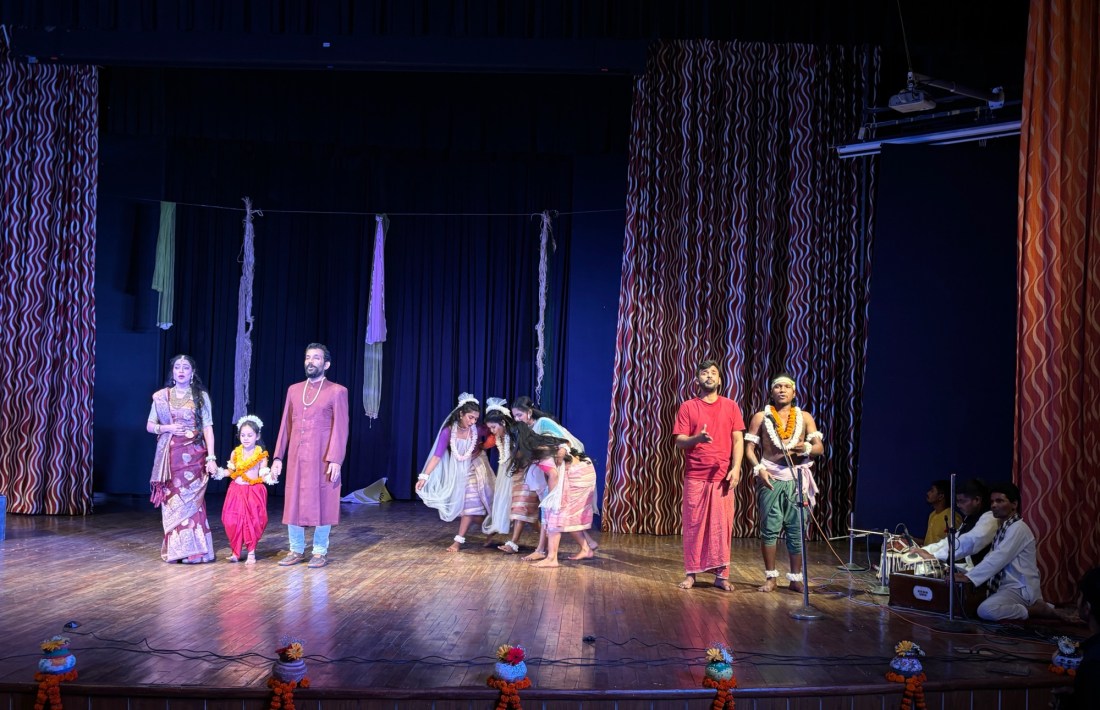
Performance Review- “Shabdangal” by Graduate Performance Wing of NSD

I had the opportunity to watch Shabdangal in the second edition of Bharat Rang Mahaotsav (2026) while returning from a conference. The train to Roorkee was scheduled to start at night, whereas I reached Delhi in the evening. Hence, to make the most of the time, I booked a ticket to Shabdangal. Based on my previous experience watching a play at the Bahumukh auditorium of NSD, I knew it would delight me to the fullest.

Crossfade- Episode 4: Anatomy of Theatre

Derived from the Greek word 'theatron,' theatre refers to a place of viewing. To understand the structure of such theatre, consider it a room where the fourth wall is removed, allowing the audience to see what happens inside. A proscenium theatre is divided into two sections: the stage (where the actors perform) and the house (where the audience sits). Let's look at the stage first.

Naya Theatre’s Adaptation of A Midsummer Night’s Dream

Naya Theatre, curated by Habib Tanvir in 1959, aimed to reverse the colonial trajectory of Indian theatre while connecting it to India's culture and tradition. Tanvir is known mainly for two interventions in Indian Theatre. The first was that he introduced local artists in his performance, and the second was that he broke away from the proscenium theatre into diverse spaces. He adopted the folk form Nacha of Chhattisgarh, in which music and songs play a complementary role in the performance.

Crossfade-Episode 2: Asides-You Know but They Shouldn’t

The etymology of the word 'Aside' dates back to the 14th century, Middle English, meaning 'one side' or 'to the side.' It was popularised by the 15th-century Elizabethan dramatists in the Renaissance period, who used it to share comments, expressions, secrets, and humorous and witty remarks directly to the audience without involving the characters on the stage.

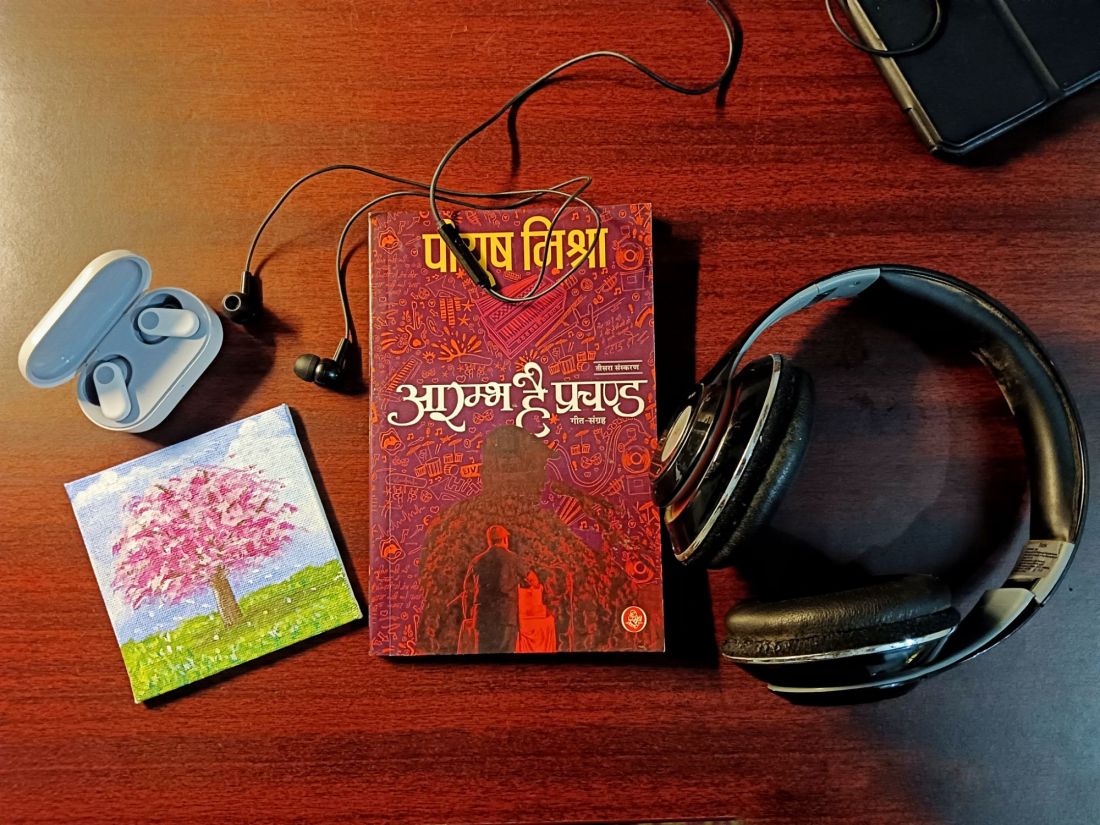
Book Review: Aarambh hai Prachand

Aarmabh-ha-prachand

What could be the possible difference between poetry and music? Poetry originated from those bards who used to sing stories and verses while travelling. Poetry turns into music when it's accompanied with musical instrument. In contemporary times, reading poems has become mostly an academic endeavour. Can you recall the last time you picked up any … Continue reading Book Review: Aarambh hai Prachand

Book Review: Deewar Me Ek Khidki Rehti Thi

Deewar Me Ek Khidki Rehti Thi

Nothing significant happens in this book. Still, everything feels alluring. Can you write a novel upto 245 pages, that too, around the everyday life of some ordinary characters, without any significant plot or sub-plot? Some of you might say, 'What's a big deal about it?' But the real question isn't 'can', rather it's 'why'. Why … Continue reading Book Review: Deewar Me Ek Khidki Rehti Thi

Panchayat 4: The Story So Far

Panchayat stands apart from this herd mentality or a formula-based entity. This show is miles away from the dazzle of the city and the widespread glamour, the unrealistic action and obscenity. That's why it shouldn't come as a surprise that it is one of the few most-loved shows. It's a testimony to the fact that any show can still succeed even if it doesn't have these elements.

Unlock Life’s Potential With “Who Will Cry When You Die” by Robin Sharma

Robin-sharma

Acquire skills no one else has. Read books no one else is reading. Think thoughts no one else is thinking. Or, to put it another way, you cannot have all that you want if you remain the person you are. To get more from life, you need to be more in life. -Robin Sharma These … Continue reading Unlock Life’s Potential With “Who Will Cry When You Die” by Robin Sharma

The Art of Puppetry: Dadi Pudumjee’s Marionette Theatre

Puppetry

Watching puppets perform is the same as watching humans. The only difference is, puppets perform at the stage whereas human in real. Before I begin this post, I pay my sincere gratitude to Dr Kiran Seth and his initiative SPIC MACAY (Society for the Promotion of Indian Classical Music And Culture Amongst Youth)- a noble step toward … Continue reading The Art of Puppetry: Dadi Pudumjee’s Marionette Theatre