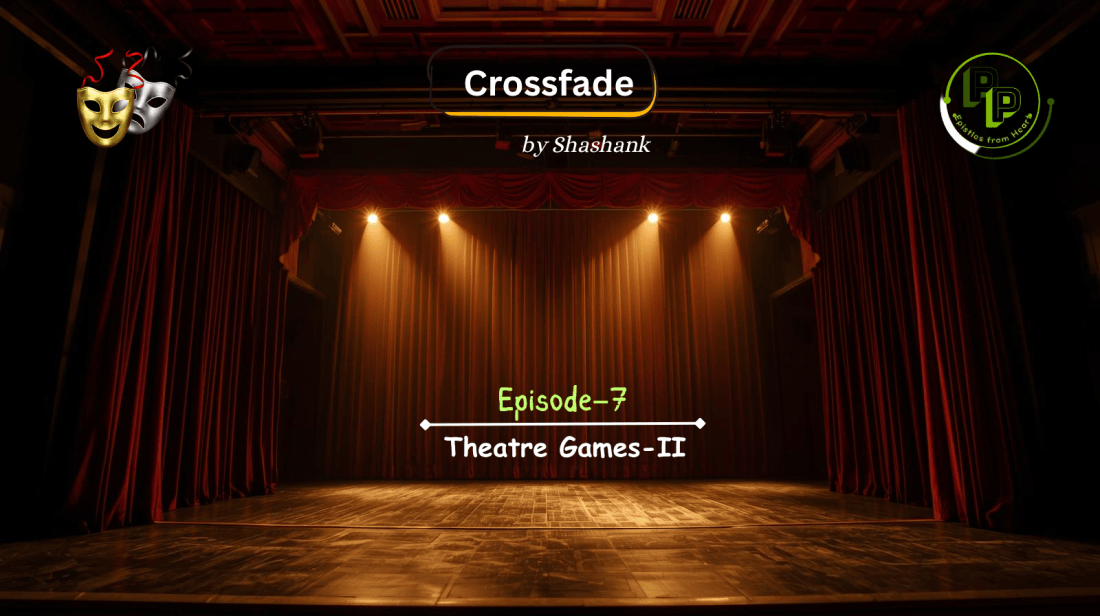
Crossfade- Episode 4: Anatomy of Theatre

Derived from the Greek word 'theatron,' theatre refers to a place of viewing. To understand the structure of such theatre, consider it a room where the fourth wall is removed, allowing the audience to see what happens inside. A proscenium theatre is divided into two sections: the stage (where the actors perform) and the house (where the audience sits). Let's look at the stage first.

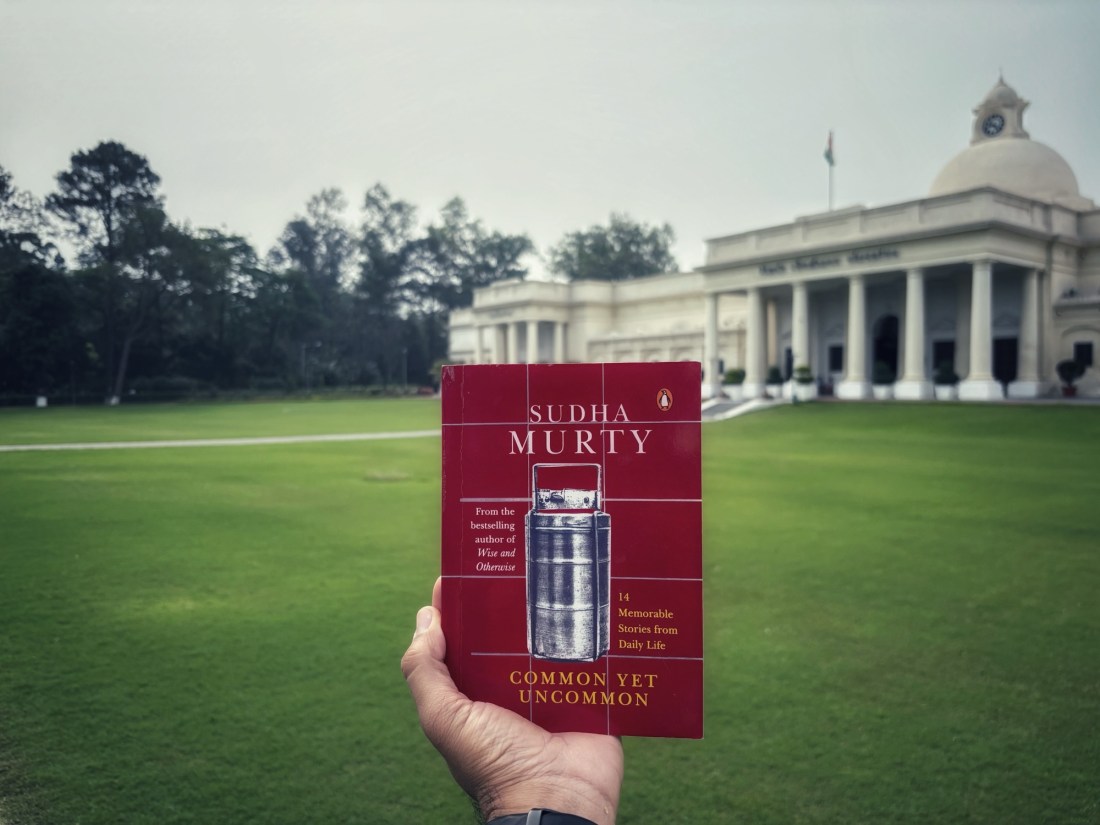
Book Review: Common Yet Uncommon by Sudha Murty

The book collects 14 stories centred around Karnataka, which also includes a preface and an epilogue. Murty highlights the hybridisation of culture, food habits and language, particularly in Karnataka's northern region. She reiterates the statement, "No wonder it's said for every 150 kilometres that you travel in our country, you will see a change in food habits and dressing style" (p. x),

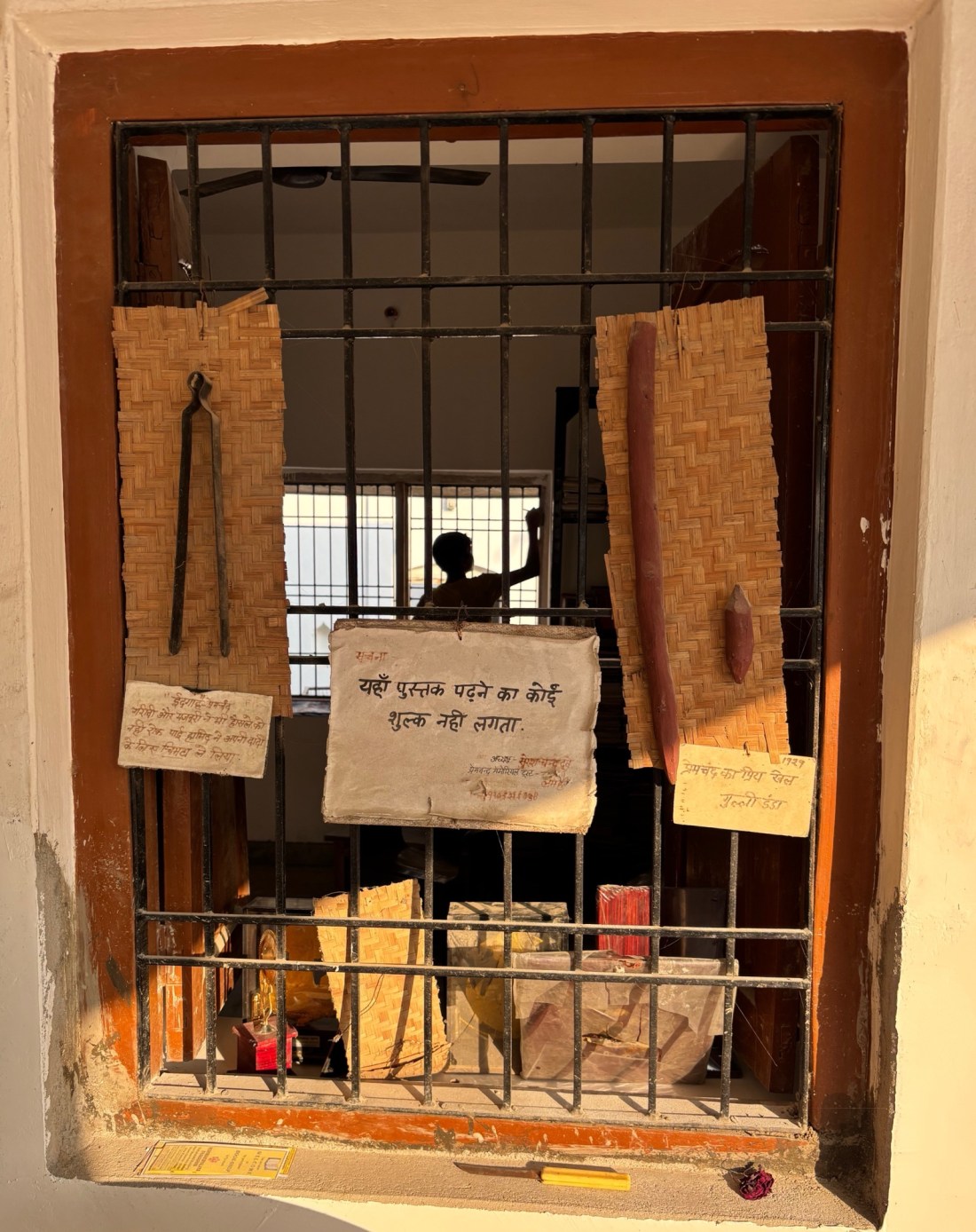
Premchand’s Legacy: A Visit to his Village ‘Lamhi’ in Varanasi

Simple living, high thinking– the statement is justified when you peep into the life of a writer! As I delve into my memory of school days, I remember delivering a speech on the birth anniversary of Munshi Premchand. Since I used to practice several times, some lines, though in fragments, had been etched in my … Continue reading Premchand’s Legacy: A Visit to his Village ‘Lamhi’ in Varanasi

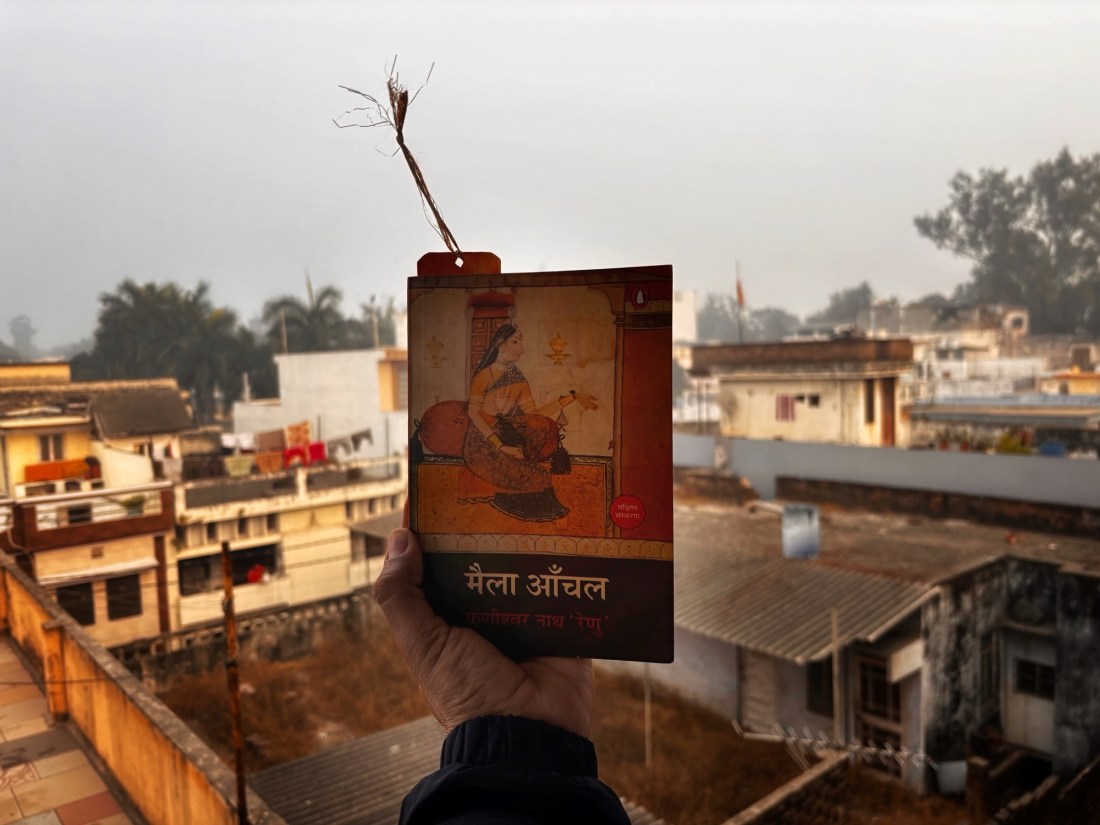
The Significance of Maila Aanchal in Portrayal of India’s Concern during Independence

Maila-aanchal-Phanishwar-nath-Renu

What is the single most remarkable aspect of the novel, Maila Aanchal? My immediate reply would be the usage of language. Like English, we Indians do speak Hindi differently, wrapped in dialects that vary across regions. There are more than 48 dialects of Hindi alone, practised across different parts of India. It is said that Language and culture change in India every 12 miles.