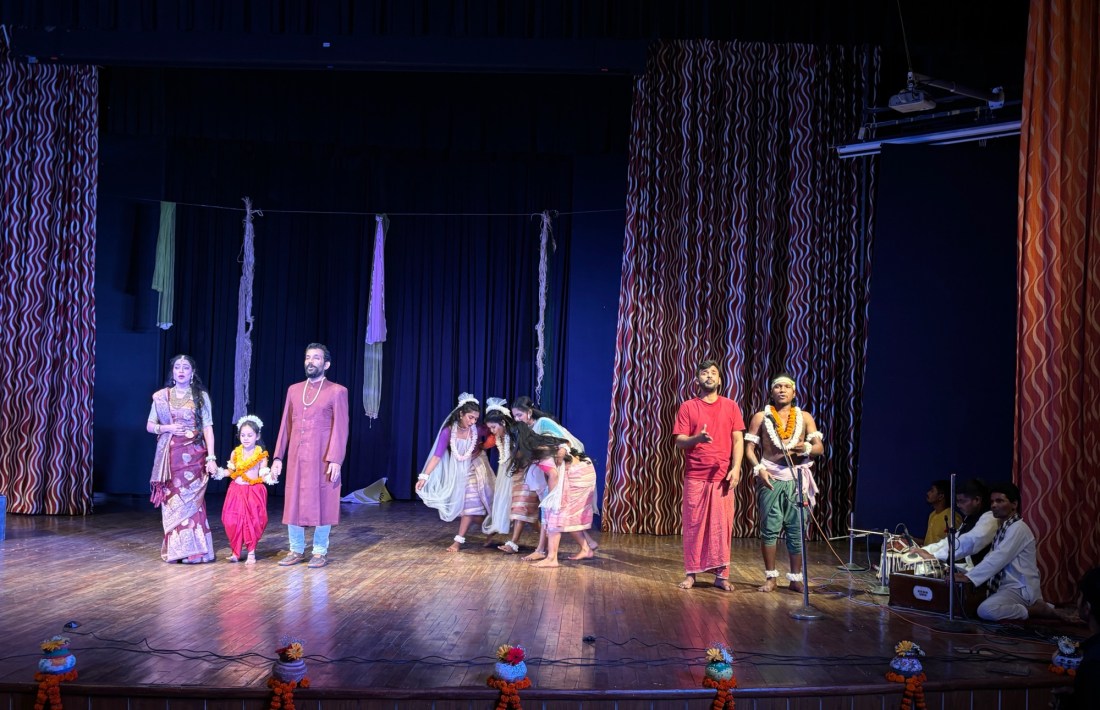
Naya Theatre’s Adaptation of A Midsummer Night’s Dream

Naya Theatre, curated by Habib Tanvir in 1959, aimed to reverse the colonial trajectory of Indian theatre while connecting it to India's culture and tradition. Tanvir is known mainly for two interventions in Indian Theatre. The first was that he introduced local artists in his performance, and the second was that he broke away from the proscenium theatre into diverse spaces. He adopted the folk form Nacha of Chhattisgarh, in which music and songs play a complementary role in the performance.

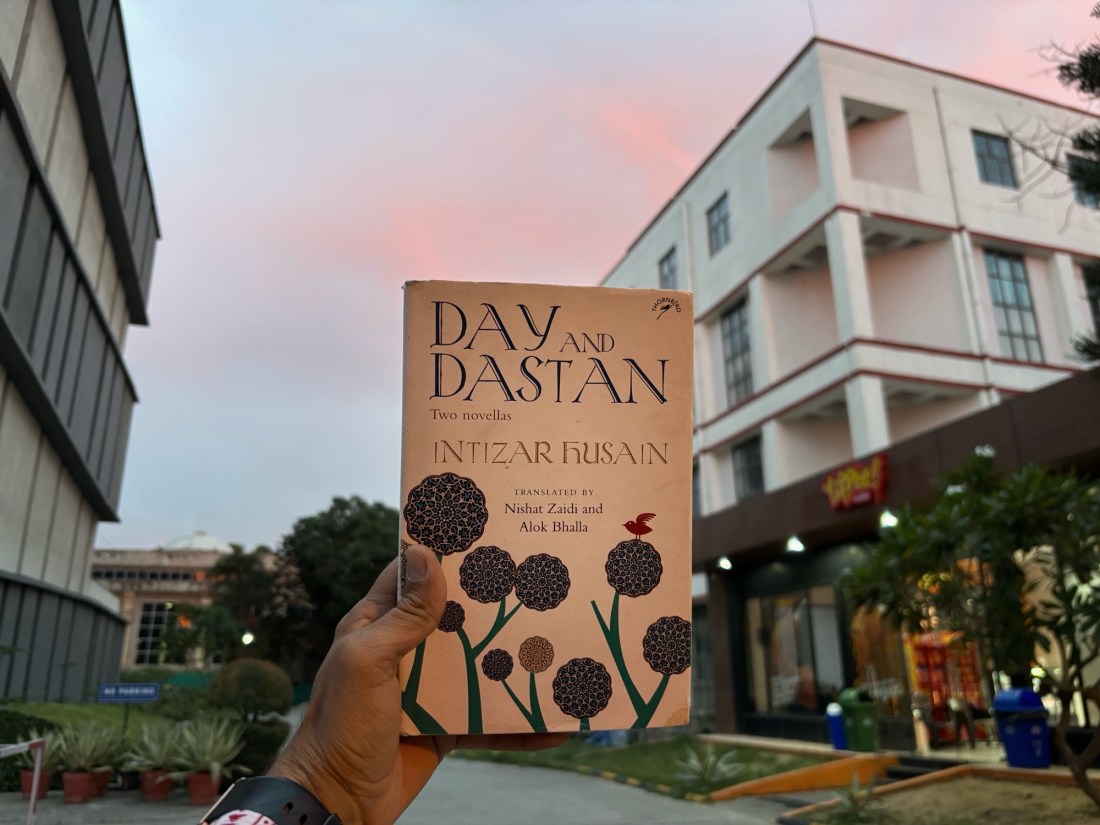
Book Review: Day And Dastan by Intizar Hussain

I was familiar with Hussain's writing and his reflections on partition through his novel Basti (shortlisted for the Man Booker in 2013), which was part of my bachelor's syllabus. Through this book, Day And Dastan, which collects two novellas into one, I once again got an opportunity to peek into the fragmented and dilapidated world of Hussain, caused by partition

A Very Simple Story: A Russian Melodrama at NSD through Surtitling

Russian-play

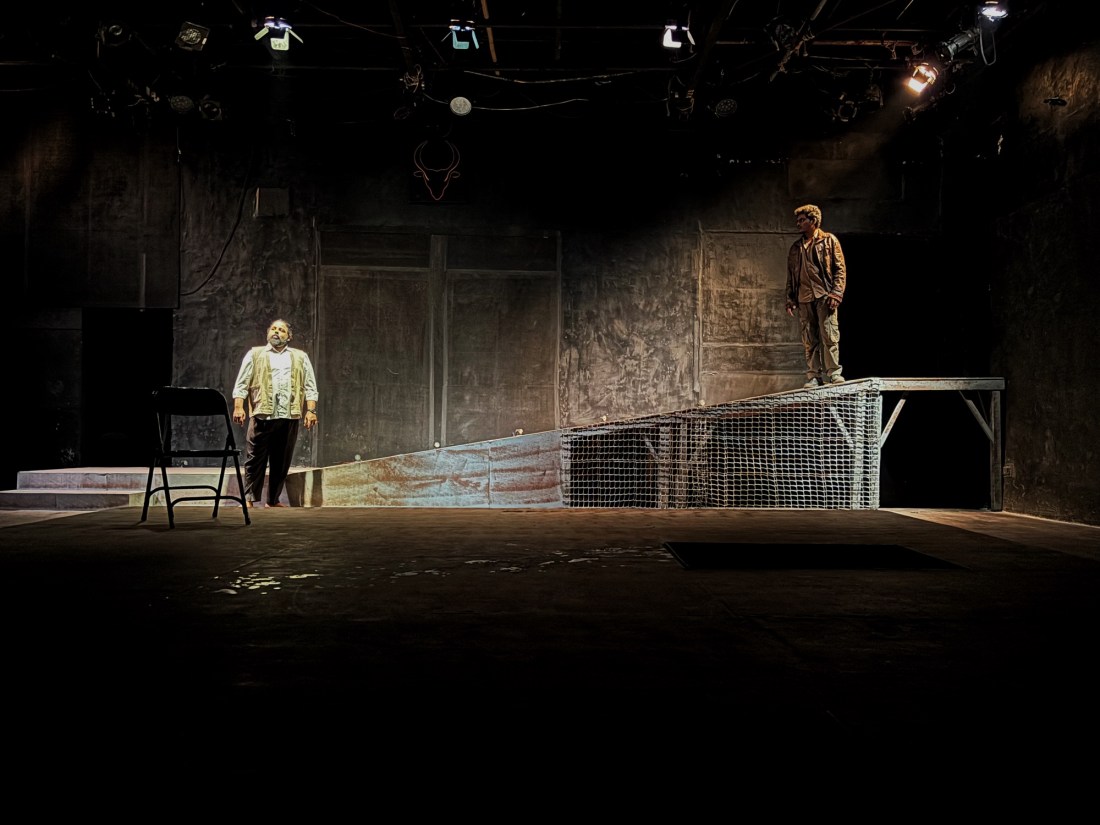
Now coming to the play, A Very Simple Story is not that simple. Even the props on the stage appears to be simple but in real it's not, since it's should be crafted in such a way to handle the weight of 2-3 actors, since then and now, they would ascend on it to escape from family members. The whole set up appears a space in rural area. There is a large box from where characters will take out props now and then and sometimes, hide in them as well.

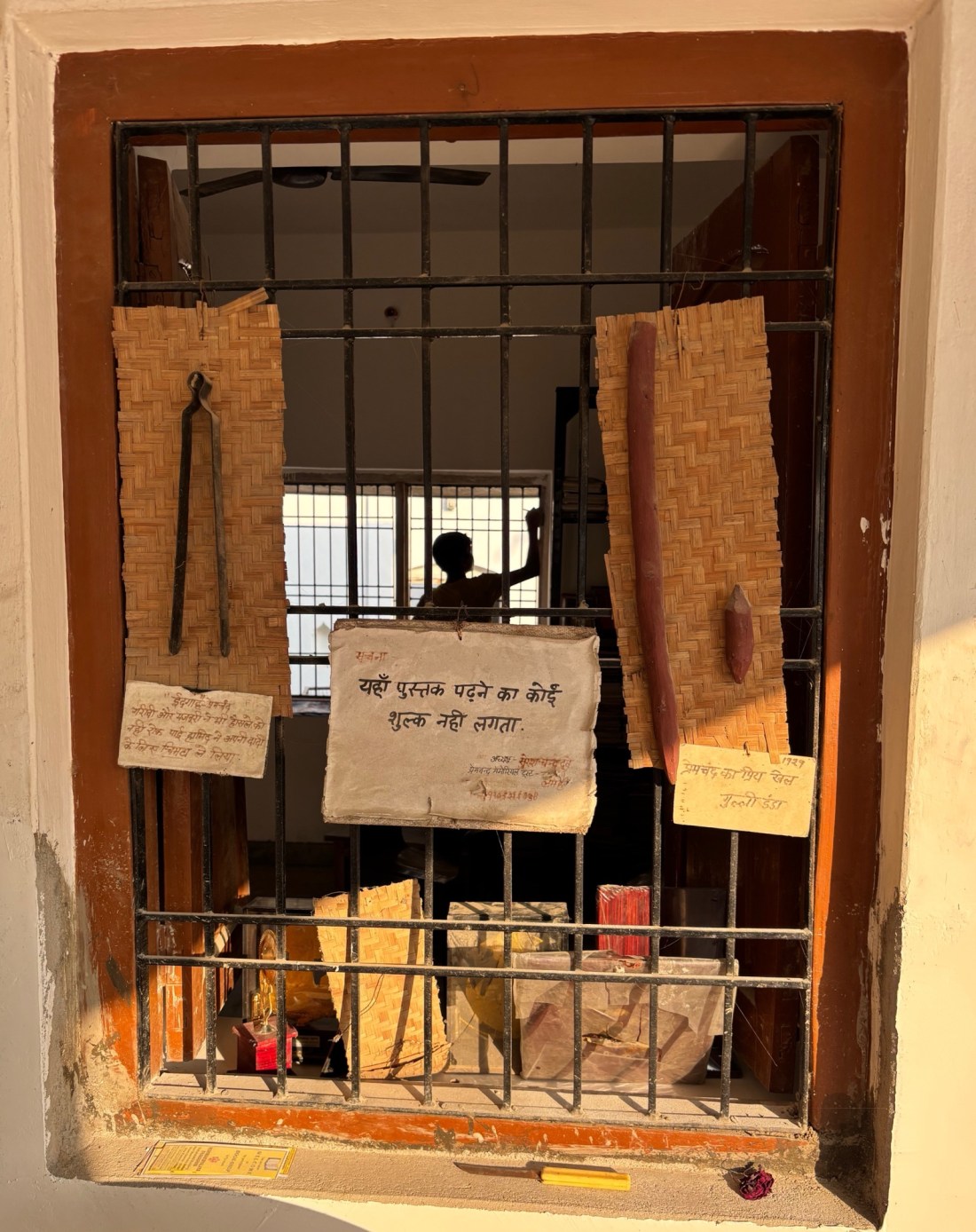
Premchand’s Legacy: A Visit to his Village ‘Lamhi’ in Varanasi

Simple living, high thinking– the statement is justified when you peep into the life of a writer! As I delve into my memory of school days, I remember delivering a speech on the birth anniversary of Munshi Premchand. Since I used to practice several times, some lines, though in fragments, had been etched in my … Continue reading Premchand’s Legacy: A Visit to his Village ‘Lamhi’ in Varanasi

Crossfade-Episode 2: Asides-You Know but They Shouldn’t

The etymology of the word 'Aside' dates back to the 14th century, Middle English, meaning 'one side' or 'to the side.' It was popularised by the 15th-century Elizabethan dramatists in the Renaissance period, who used it to share comments, expressions, secrets, and humorous and witty remarks directly to the audience without involving the characters on the stage.

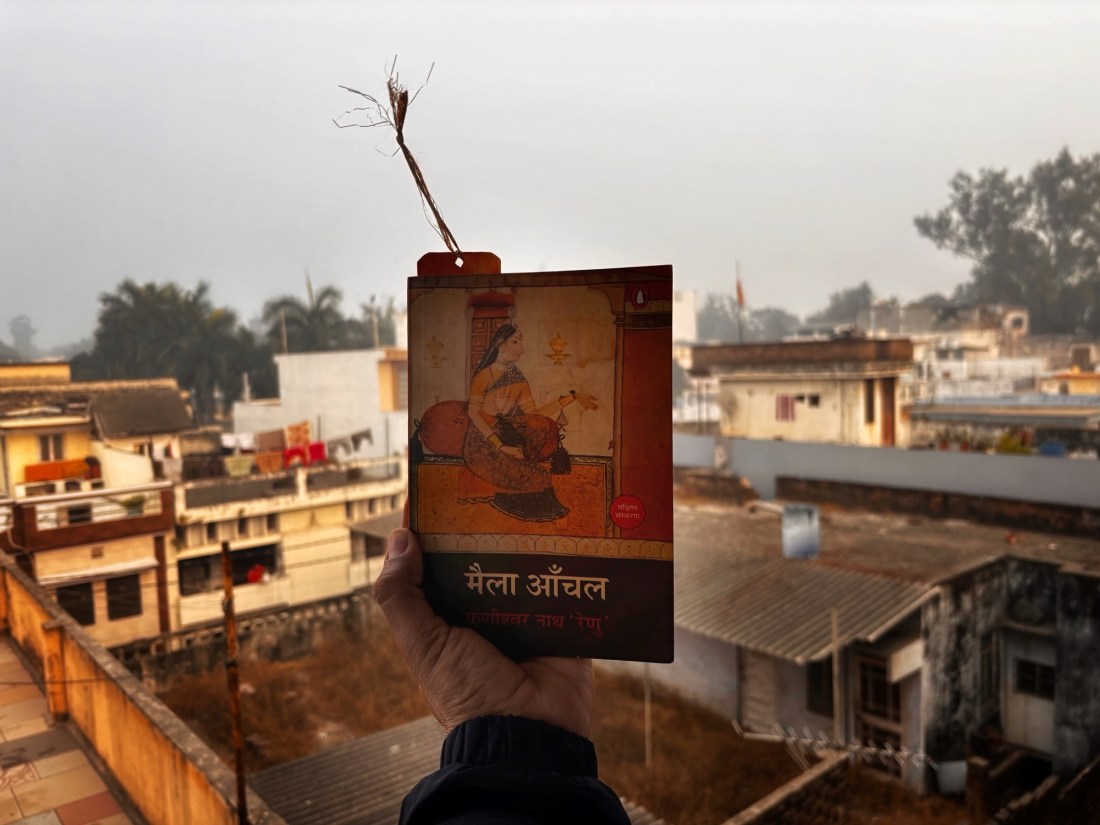
The Significance of Maila Aanchal in Portrayal of India’s Concern during Independence

Maila-aanchal-Phanishwar-nath-Renu

What is the single most remarkable aspect of the novel, Maila Aanchal? My immediate reply would be the usage of language. Like English, we Indians do speak Hindi differently, wrapped in dialects that vary across regions. There are more than 48 dialects of Hindi alone, practised across different parts of India. It is said that Language and culture change in India every 12 miles.