Crossfade- Episode 4: Anatomy of Theatre

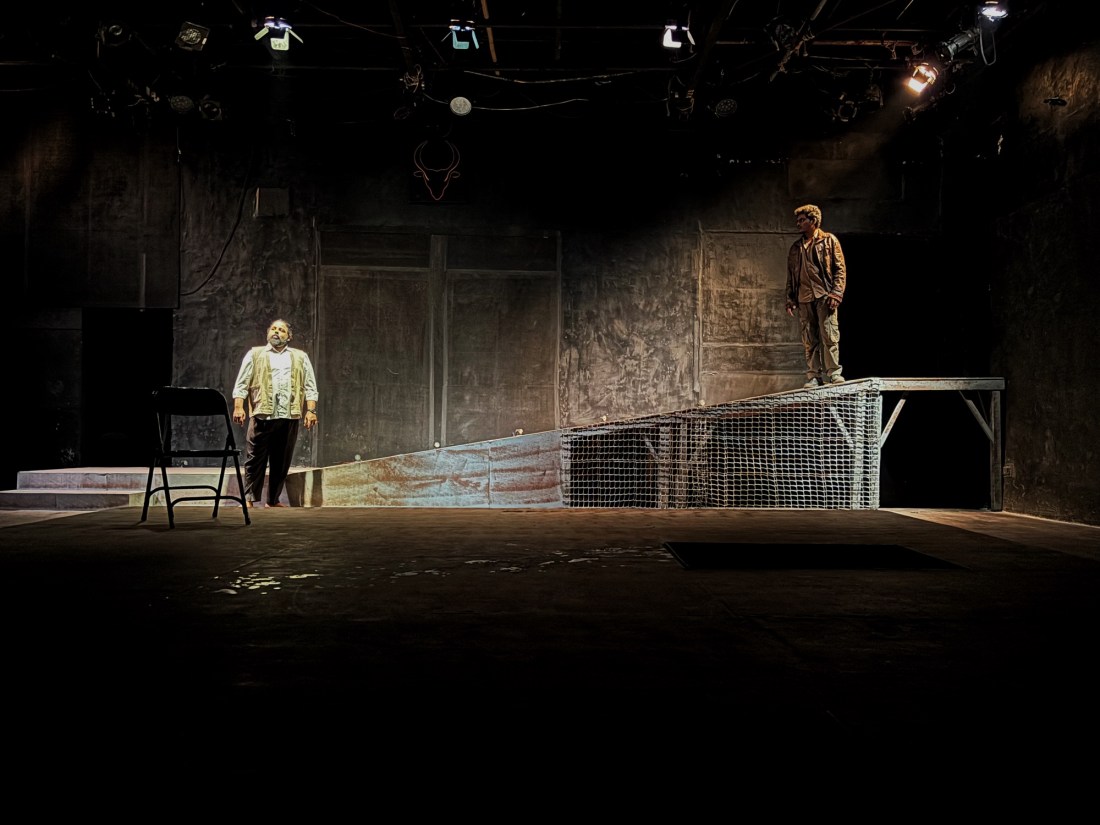
Derived from the Greek word 'theatron,' theatre refers to a place of viewing. To understand the structure of such theatre, consider it a room where the fourth wall is removed, allowing the audience to see what happens inside. A proscenium theatre is divided into two sections: the stage (where the actors perform) and the house (where the audience sits). Let's look at the stage first.

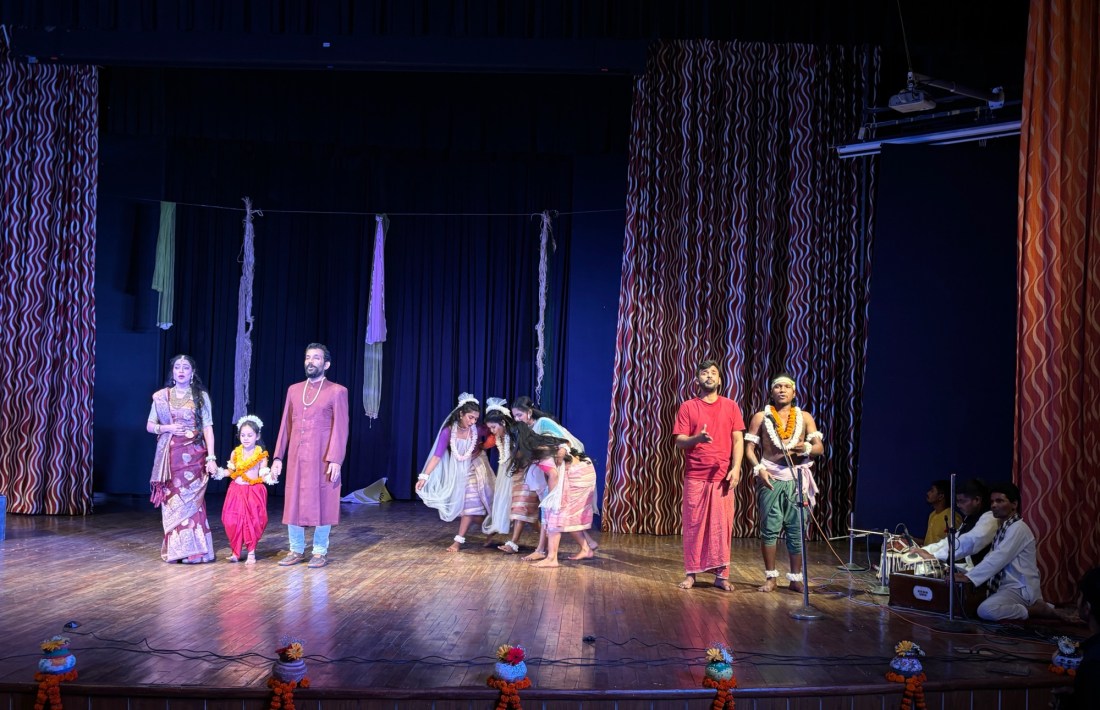
Naya Theatre’s Adaptation of A Midsummer Night’s Dream

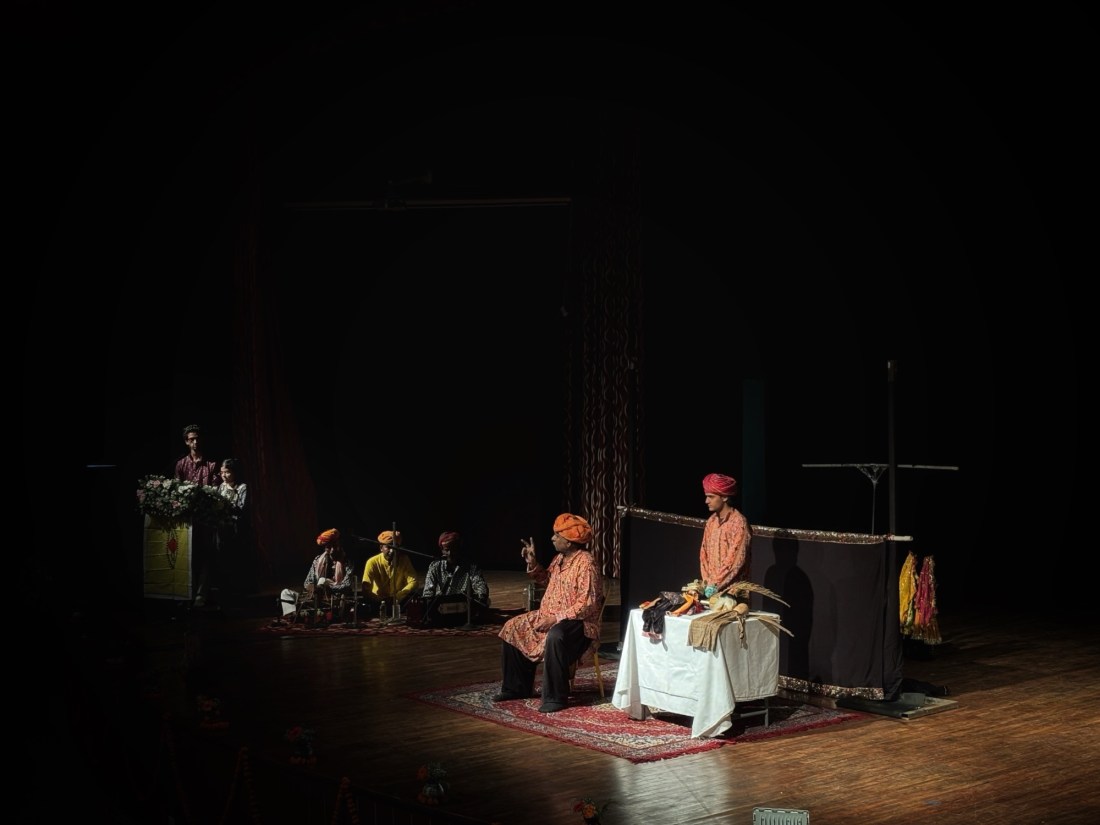
Naya Theatre, curated by Habib Tanvir in 1959, aimed to reverse the colonial trajectory of Indian theatre while connecting it to India's culture and tradition. Tanvir is known mainly for two interventions in Indian Theatre. The first was that he introduced local artists in his performance, and the second was that he broke away from the proscenium theatre into diverse spaces. He adopted the folk form Nacha of Chhattisgarh, in which music and songs play a complementary role in the performance.

Bidesiya: Insights into Bihar’s Folk Theatre

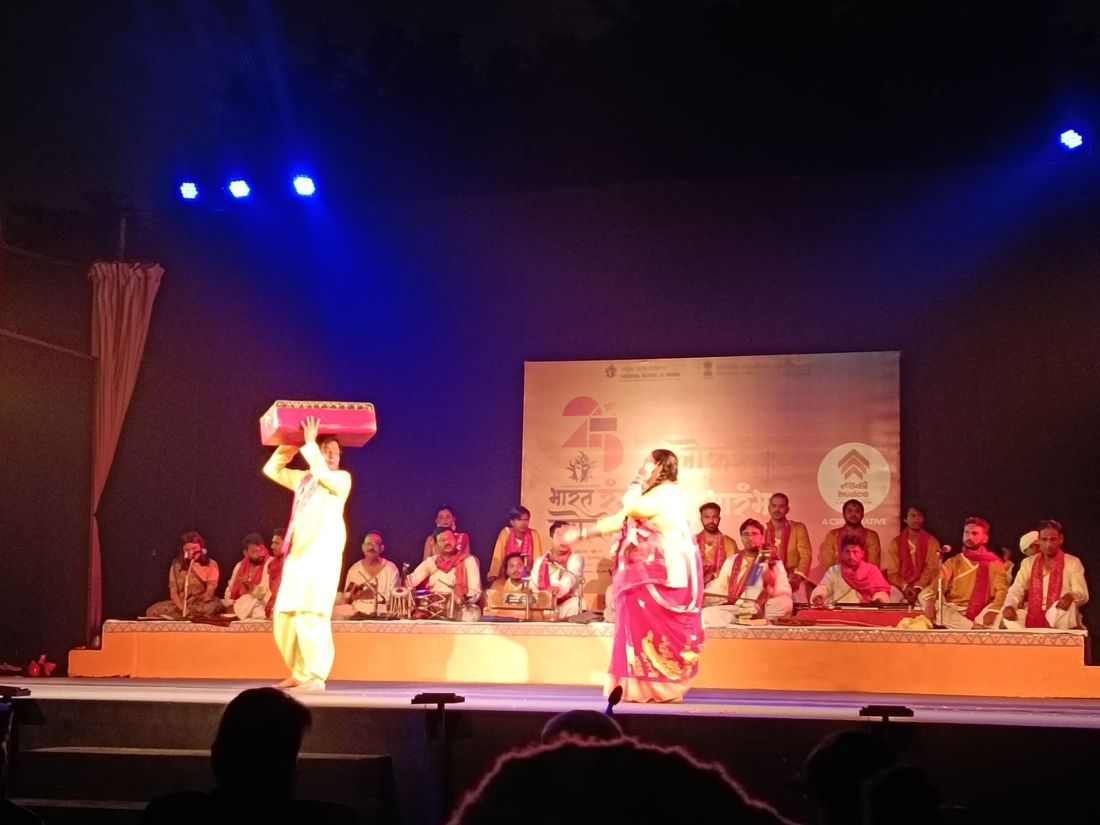
Bidesiya

I have been fascinated by this folk play since I read about it, and I have had the ardent desire to watch its staging. Luckily, I got the chance to watch it while I was pursuing my 'Theatre Appreciation Course' at the National School of Drama (NSD). The year I pursued my course (2025), it … Continue reading Bidesiya: Insights into Bihar’s Folk Theatre

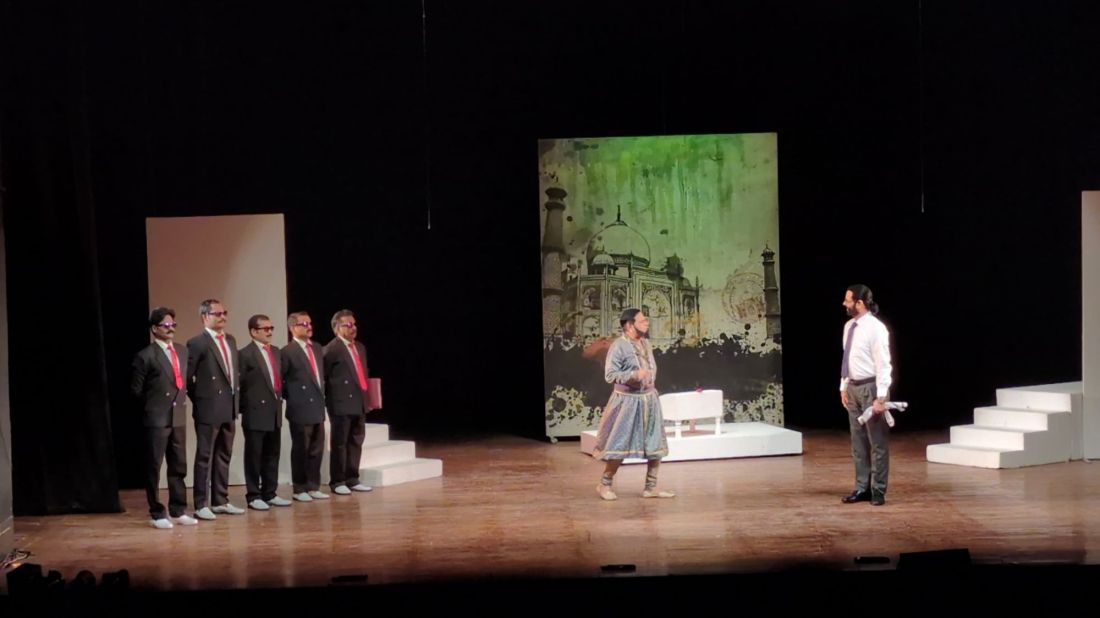
Engaging Satirical Comedy Play: Tajmahal ka Tender at NSD

To encourage viewership on stage, I've decided to write honest reviews of whatever play I watch so that it'll be easy for you to plan for a theatrical performance on weekends. Also, I'll suggest everyone at least visit the theatre not to watch a movie but a theatrical play and see the actors in Flesh … Continue reading Engaging Satirical Comedy Play: Tajmahal ka Tender at NSD